Integrating Technology in Early Education: Opportunities and Challenges
In today’s digital era, the classroom is no longer confined to four walls and a chalkboard. Technology has transformed the way children learn, communicate, and understand the world around them. From interactive whiteboards to AI-powered learning apps, the idea of integrating technology in early education has become more than just a trend—it’s a necessity. However, this transformation comes with both remarkable opportunities and significant challenges that educators, parents, and institutions must navigate carefully.
The Growing Role of Technology in Early Learning
Over the past decade, technology has become deeply embedded in educational environments. For young learners, it provides tools that engage their natural curiosity and creativity. Interactive digital content, multimedia storytelling, and educational games help children grasp complex ideas faster than ever before. Studies have shown that when technology is used appropriately, it boosts attention span, enhances problem-solving skills, and nurtures independent learning habits.
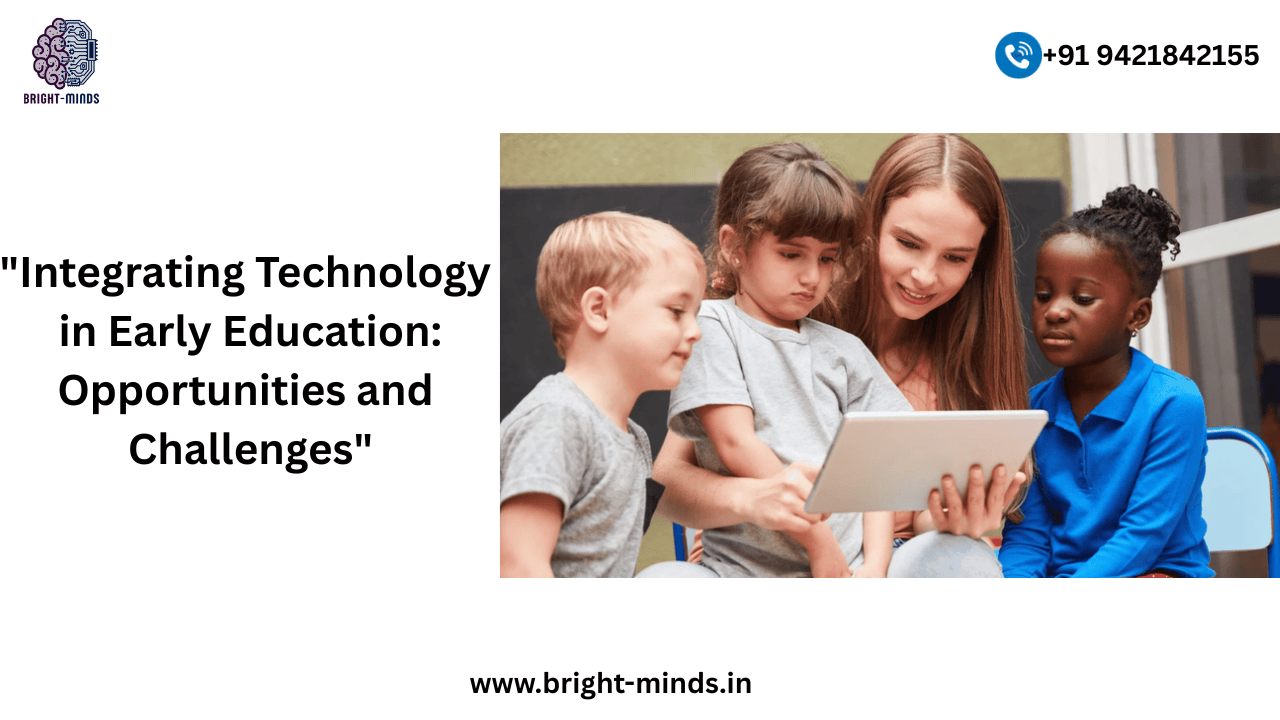
For instance, consider a preschool class using tablets for phonics games. The children not only learn the alphabet but also develop auditory and visual coordination. Similarly, apps like ABCmouse and Khan Academy Kids offer structured pathways for personalized learning, allowing teachers to track progress in real time. These examples demonstrate how integrating technology in early education creates an adaptive environment that aligns with each child’s pace and interest.
Opportunities Shaping the Future of Digital Learning
One of the greatest benefits of technology integration is personalization. No two children learn the same way or at the same speed. Technology bridges this gap by offering adaptive learning systems that adjust to each student’s abilities. Tools powered by artificial intelligence assess strengths, weaknesses, and learning preferences, ensuring that every child receives customized support.
Encouraging Collaboration and Creativity
Digital tools encourage collaboration and innovation from an early age. Virtual classrooms, group projects, and educational games foster teamwork while teaching essential 21st-century skills like communication, empathy, and critical thinking. For example, students using digital art platforms can co-create projects and share them globally, learning the importance of collective creativity.
Global Exposure and Cultural Awareness
Another exciting opportunity lies in global connectivity. Technology enables young learners to explore different cultures and perspectives beyond their local environment. Virtual field trips, online storytelling, and global classroom exchanges expose children to the richness of world diversity. This early exposure nurtures empathy and global-mindedness—traits essential for future generations.
Enhanced Teacher Support and Analytics
Educators now have access to advanced tools that simplify lesson planning, assessment, and classroom management. Learning analytics provide real-time feedback, helping teachers make data-driven decisions. This technology-backed insight allows educators to spend more time mentoring and less time on administrative tasks, thereby improving overall teaching effectiveness.
Challenges in Integrating Technology in Early Education
While the advantages are clear, the integration of technology also raises critical concerns. Understanding these challenges is essential for schools and parents striving to maintain a healthy balance.
The Digital Divide
Not all children have equal access to technology. The disparity between urban and rural schools, or between high- and low-income families, can limit opportunities for digital learning. This digital divide risks widening the educational gap if not addressed with inclusive policies and community support programs.
Screen Time and Health Concerns
Excessive screen time can affect a child’s eyesight, posture, and attention span. Health experts recommend age-appropriate digital exposure, ensuring that technology remains a supplement—not a substitute—for real-world play and physical activity. Parents and teachers must establish screen-time guidelines to maintain this delicate balance.
Teacher Training and Readiness
Many educators still face challenges in adapting to new technologies. Integrating technology in early education requires ongoing professional development and institutional support. Teachers must not only understand how to use digital tools but also how to integrate them meaningfully into their curriculum without overshadowing traditional teaching values.
Data Privacy and Cybersecurity
With digital platforms collecting vast amounts of student data, privacy concerns have become a top priority. Schools must implement strong cybersecurity protocols to protect sensitive information and ensure compliance with data protection regulations. Building awareness among educators and parents about online safety is equally important.
Striking the Right Balance Between Technology and Traditional Learning
A successful learning environment blends technology with traditional teaching methods. While screens can offer interactive experiences, hands-on learning remains vital for developing motor skills, emotional intelligence, and social awareness. For example, a lesson on nature can start with a digital exploration of a rainforest but end with students creating leaf art from their schoolyard.
Educators should view technology as a teaching partner rather than a replacement. The goal is to enhance—not replace—the human connection that drives effective learning. When technology is thoughtfully integrated, it complements early education by amplifying engagement, creativity, and understanding.
Industry Trends and the Future of Early Education
The market for early education technology is expanding rapidly. According to recent reports, the global EdTech market is expected to surpass $600 billion by 2030, driven by the demand for personalized and accessible learning solutions. Artificial intelligence, virtual reality, and gamified learning are emerging as major trends in early childhood education.
Augmented reality (AR), for instance, is bringing textbooks to life, allowing children to interact with 3D models of animals, planets, and historical figures. Similarly, virtual reality (VR) field trips transport students to places they could never physically visit, making learning truly immersive. These tools make integrating technology in early education more exciting and relevant for modern learners.
Building Digital Literacy from the Ground Up
Digital literacy is no longer optional—it’s foundational. Teaching young learners how to use technology responsibly is just as important as teaching them how to read and write. Early exposure to ethical internet use, digital communication, and online safety lays the groundwork for responsible digital citizenship.
Schools and parents can collaborate by setting clear digital usage rules, guiding children on identifying credible online sources, and encouraging critical thinking. By nurturing responsible digital habits, we prepare children to thrive confidently in a technology-driven world.
Turning Challenges into Opportunities
Every challenge presents a chance to innovate. Schools can overcome barriers by investing in teacher training, community technology programs, and partnerships with EdTech companies. Similarly, policymakers can bridge digital divides through infrastructure development and affordable device initiatives. With collaboration across all levels—parents, educators, and governments—the vision of inclusive, tech-enhanced education becomes attainable.
Empowering the Next Generation
The future of early education depends on our ability to merge technology with empathy, creativity, and critical thinking. Integrating technology in early education isn’t about replacing books with tablets—it’s about creating a learning ecosystem where every child can explore, question, and grow. When used wisely, technology becomes a bridge to endless opportunities and a brighter, more connected future.
Take the Next Step Toward Smarter Learning
If you’re passionate about modern teaching strategies and wish to explore how digital tools can reshape your classroom, now is the time to act. Visit our website to discover in-depth courses, professional guides, and hands-on workshops designed to help educators and parents master the art of balanced, technology-integrated learning.
You may also like this:-