
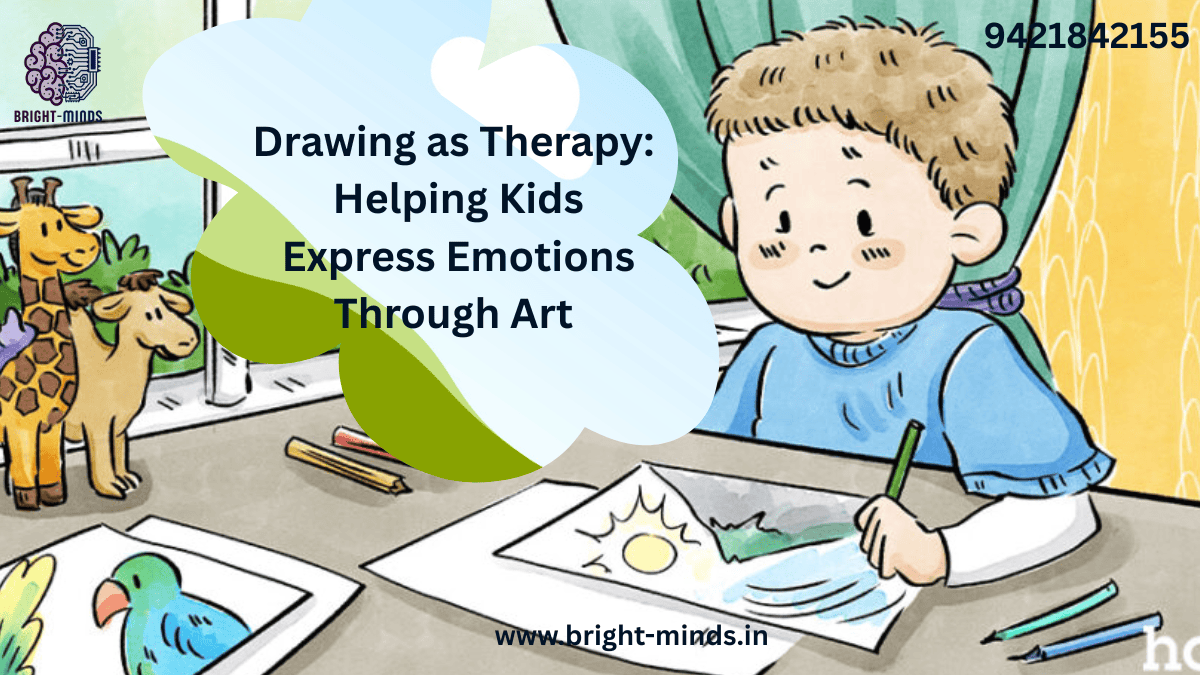
The Growing Need to Help Children Express Emotions
Every child experiences emotions, but not every child knows how to talk about them. In today’s fast-paced world, children often face pressure from academics, technology exposure, and social expectations. Many kids feel complex emotions they cannot yet fully understand. This is where drawing as therapy becomes an essential tool, offering a safe and creative space for children to express what they cannot explain in words. Instead of asking a child “What’s wrong?”, giving them a blank sheet of paper often opens the door to deeper emotional honesty. Modern psychologists observe that emotional expression through art is becoming more relevant as children spend more time on screens and less time in traditional play. Drawing as therapy helps bring back imagination, storytelling, and emotional exploration in a natural, child-friendly way.
How Drawing Becomes a Path to Emotional Expression
Drawing is more than a skill; it is a language. Kids naturally use lines, colors, characters, and shapes to communicate how they feel on the inside. When they don’t have the emotional vocabulary, art becomes their voice. Whether a child uses bold colors to express excitement or darker shades to reflect confusion or worry, drawing as therapy helps adults understand their inner world. The process is simple but powerful. A child draws freely, without judgment or pressure. The focus is not on making a perfect picture but on expressing emotions safely. Therapists often observe that kids open up more during drawing sessions than during direct conversations. Drawing provides comfort, reduces anxiety, and helps children feel in control of their emotions.
Why Children Rely on Art Instead of Words
Children have a limited emotional vocabulary, especially between the ages of 4 and 10. They may feel scared, angry, confused, or overwhelmed, but struggle to label or talk about these feelings. Drawing as therapy gives them an easier alternative. Instead of telling a parent “I’m stressed,” a child might draw a stormy cloud. Instead of saying “I’m lonely,” they may draw a small figure in a large, empty space. These subtle expressions help adults gently guide children to deeper conversations. This is why many schools and learning centers are integrating art-based emotional support as part of early childhood development.
The Psychological Benefits Behind Drawing as Therapy
Therapeutic drawing offers several emotional and cognitive benefits. It reduces stress, improves focus, increases emotional awareness, and builds self-confidence. When children understand their feelings better, they develop stronger coping skills that support lifelong mental wellness. Many counselors today use drawing sessions to help kids navigate situations like parental separation, academic pressure, new environments, or struggles with friendships. Studies show that children who use drawing as therapy consistently demonstrate improved emotional clarity and better communication with parents and teachers. The emotional relief a child feels after expressing difficult feelings visually often leads to improved behavior and reduced frustration.
The Role of Colors and Shapes in Expressing Feelings
Colors carry emotional meaning. Bright colors like yellow, orange, and green often reflect happiness and energy, while darker shades like black or deep blue may represent worry or sadness. Similarly, chaotic lines may show confusion, and calm curves may suggest comfort. When used in drawing as therapy, these visual elements help adults interpret what the child is feeling internally. However, interpretation must always be gentle and supportive, not judgmental. The goal is to guide the child, not diagnose from a single drawing.
Real-World Examples of Art Helping Kids Communicate
Many schools, therapy centers, and child development organizations use drawing as therapy to help kids navigate real-life challenges. A shy child who avoids speaking in class may reveal confidence through bold, colorful drawings. A child facing stress at home may draw their family to express their emotions without facing uncomfortable conversations. In corporate childcare programs, employees have noticed that drawing sessions help kids stay calmer, more focused, and better able to transition into structured learning. Parents who regularly encourage art time at home observe improvements in their child’s mood and emotional communication.
The Role of Teachers, Caregivers, and Parents
Drawing as therapy works best when adults create a positive and pressure-free environment. A child should never be told their drawing is “wrong” or “imperfect.” Instead, phrases like “Tell me about your picture” help children feel safe sharing their emotional world. Teachers and caregivers can incorporate simple drawing breaks or creative expression sessions, especially during stressful days. Even corporate employees with children can support emotional growth by offering daily drawing time at home, turning art into a bonding activity.
Industry Trends: Why Art Therapy Is Gaining Momentum
Globally, the demand for child-friendly mental health strategies is rising. Digital dependence, reduced outdoor play, and increased academic expectations have contributed to emotional challenges in children. As a result, educators, psychologists, and even tech companies are investing in creative therapeutic tools, including drawing-based emotional programs. Ed-tech platforms now include art therapy modules to help children build emotional intelligence. Schools offer weekly creative expression periods, and many institutions are hiring certified art therapy professionals. The movement toward drawing as therapy is becoming a recognized part of emotional education, not just an extracurricular activity.
How Kids Benefit Long-Term from Drawing as Therapy
Children who regularly express emotions through art develop stronger emotional resilience. They understand their own feelings better, handle stress more effectively, and communicate with greater confidence. This emotional foundation supports academic performance, social relationships, and mental well-being as they grow older. Drawing also enhances concentration, patience, and problem-solving abilities. When a child draws, they experiment with ideas, make decisions, and visualize solutions—skills that translate into real-life abilities. The long-term benefits make drawing as therapy a valuable investment in a child’s overall development.
Encouraging Children to Use Art for Emotional Growth
You don’t need to be an artist to help a child use drawing as therapy. All you need is a supportive tone, open-ended questions, and a judgment-free space. Give them paper, colors, and freedom. Let their imagination lead the way. Encourage expression, not perfection. When children know they can safely express what they feel, they become emotionally stronger. Whether at home, school, or community centers, drawing as therapy can easily become part of daily routines.
Moving Forward with Creative Emotional Learning
As more families, educators, and professionals recognize the power of drawing as therapy, the future of emotional development for children looks promising. By giving kids the opportunity to express themselves through art, we help them grow into confident, emotionally intelligent individuals. If you want to explore deeper guides, training materials, or emotional development courses designed for parents and educators, visit our website for more curated resources. Start integrating creative expression into your child’s daily life and watch how art transforms their emotional world.
You may also like this:-