In the early years of a child’s life, learning happens at an incredible speed. For LKG and UKG kids, this stage is not about memorizing textbooks—it is about building a strong foundation for language, reading, and communication. One of the most effective ways to do this is through phonics-based learning.
Understanding the phonics learning benefits for LKG and UKG kids helps parents, teachers, and even education professionals guide children in the right direction. Phonics learning is not just an academic trend—it is a proven method that shapes confident readers, clear speakers, and curious learners from an early age.
Let’s explore how phonics works, why it is essential, and how it supports both home learning and structured preschool education.
What Is Phonics Learning?
Phonics learning is a method that teaches children how letters and letter groups represent sounds. Instead of learning the alphabet only by names like A, B, C, children learn sounds like “a” as in apple, “b” as in ball, and “c” as in cat.
For example, when a child learns the sounds of “c”, “a”, and “t” and blends them to read “cat,” they are using phonics. This sound-based approach makes reading logical and easy to understand rather than confusing.
For LKG and UKG kids, phonics turns language into something playful and meaningful rather than overwhelming.
Why Phonics Is Ideal for LKG and UKG Kids
At the kindergarten level, children learn best through listening, speaking, singing, and playing. Phonics fits perfectly into this learning style.
Phonics learning benefits for LKG and UKG kids include:
- Learning through sounds instead of memorization
- Developing listening and pronunciation skills
- Improving attention and memory
- Building confidence in speaking and reading
Because phonics uses stories, rhymes, songs, and games, children stay engaged while learning naturally.
How Phonics Builds Strong Reading Skills
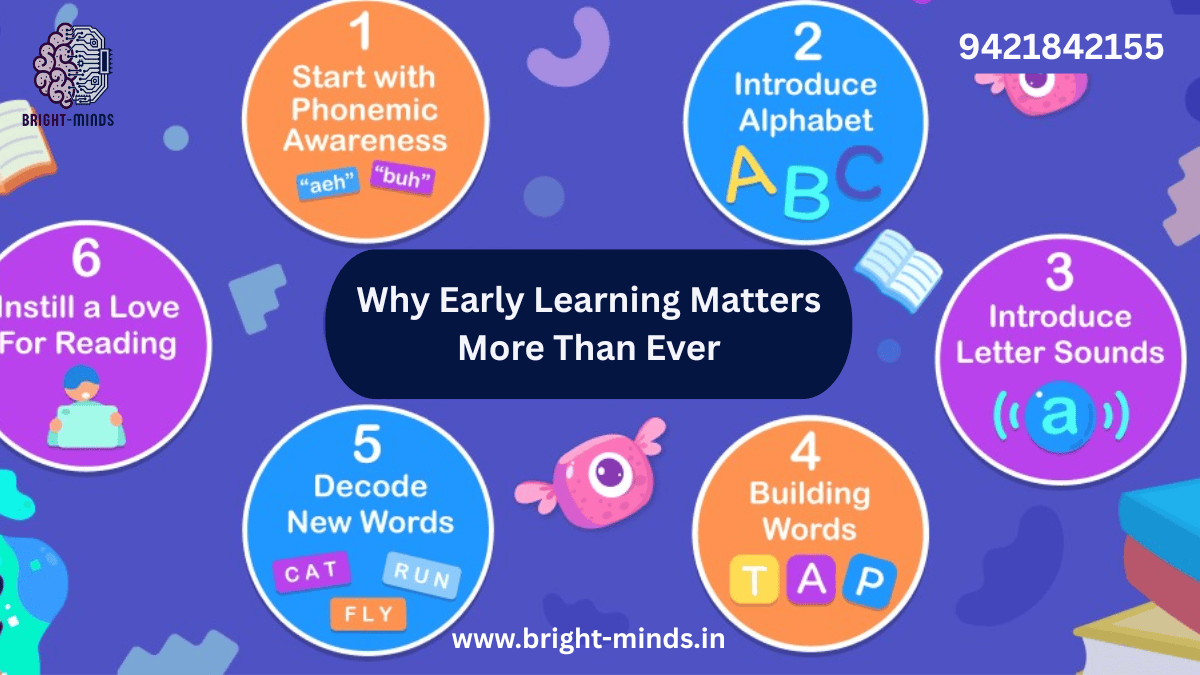
One of the biggest advantages of phonics is early reading confidence. Children who learn phonics can decode new words on their own instead of guessing.
For example:
A child who knows the sounds of “sh”, “i”, and “p” can easily read the word “ship” even if they have never seen it before.
This ability makes reading enjoyable rather than stressful. Over time, children begin to read short sentences and storybooks with ease.
This is one of the most important phonics learning benefits for LKG and UKG kids—creating independent readers at an early age.
Improved Pronunciation and Speaking Confidence
Phonics learning does not only help with reading—it also improves speech clarity. When children learn how sounds are formed, they pronounce words correctly.
For instance:
- “bat” and “pat” sound different, and phonics helps children hear and say the difference
- Children become more confident while speaking in class or at home
This is especially helpful in English-medium schools where spoken English plays a big role. Clear pronunciation at an early age builds lifelong communication skills.
Stronger Vocabulary Development
Phonics encourages children to explore new words. Instead of being limited to memorized words, children experiment with sounds and create new word combinations.
As a result:
- Vocabulary grows faster
- Children understand word patterns
- Spelling becomes easier in later grades
These phonics learning benefits for LKG and UKG kids make the transition to primary school smooth and stress-free.
Supports Brain Development and Memory
Research shows that early phonics learning strengthens brain connections related to language and memory. When children associate sounds with letters, multiple parts of the brain work together.
This improves:
- Listening skills
- Sound recognition
- Memory retention
Phonics-based activities like clapping sounds, matching cards, and storytelling keep young minds active and sharp.
Real-Life Examples of Phonics in Action
At home, a parent might say:
“Let’s find things that start with the ‘b’ sound.”
The child points to:
- Ball
- Bottle
- Book
In the classroom, teachers may use:
- Phonics songs
- Story cards
- Sound blending games
These everyday activities show how phonics learning fits naturally into a child’s environment.
Current Trends in Early Phonics Education
Modern education systems emphasize phonics-based learning more than ever. Many preschools and ed-tech platforms now use:
- Interactive phonics apps
- Story-based sound learning
- Activity-based worksheets
Teachers and education companies recognize that phonics learning benefits for LKG and UKG kids lead to better academic performance in later years.
Phonics is also widely recommended by early childhood education experts across the globe.
How Parents and Educators Can Support Phonics Learning
Parents can support phonics learning by:
- Reading aloud daily
- Playing sound-matching games
- Encouraging children to speak freely
Educators can enhance learning by:
- Using visual aids and flashcards
- Repeating sounds through music
- Creating a stress-free learning environment
When both parents and teachers work together, phonics learning becomes highly effective.
Common Myths About Phonics Learning
Some people believe phonics is too complex for young children. In reality, phonics is simple when taught the right way.
Another myth is that phonics limits creativity. In fact, phonics empowers children to read stories independently, boosting imagination and creativity.
Understanding the true phonics learning benefits for LKG and UKG kids helps eliminate these misconceptions.
Long-Term Benefits of Early Phonics Education
Children who learn phonics early:
- Read faster in higher grades
- Spell more accurately
- Perform better in language subjects
- Gain confidence in public speaking
These long-term benefits prove that phonics is not just a preschool activity—it is an investment in a child’s future.
Conclusion: Building a Strong Foundation for Lifelong Learning
Phonics learning is one of the most powerful tools for early education. By focusing on sounds, understanding, and confidence, phonics prepares LKG and UKG kids for academic success and effective communication.
The phonics learning benefits for LKG and UKG kids go beyond reading—they shape how children think, speak, and express themselves.
CTA
If you want your child or students to develop strong reading and speaking skills from the start, explore structured phonics programs, expert-led courses, and interactive learning resources today. Early learning done right makes all the difference.
You may also like this:-