Hybrid Learning for Parents: A Complete Support Guide
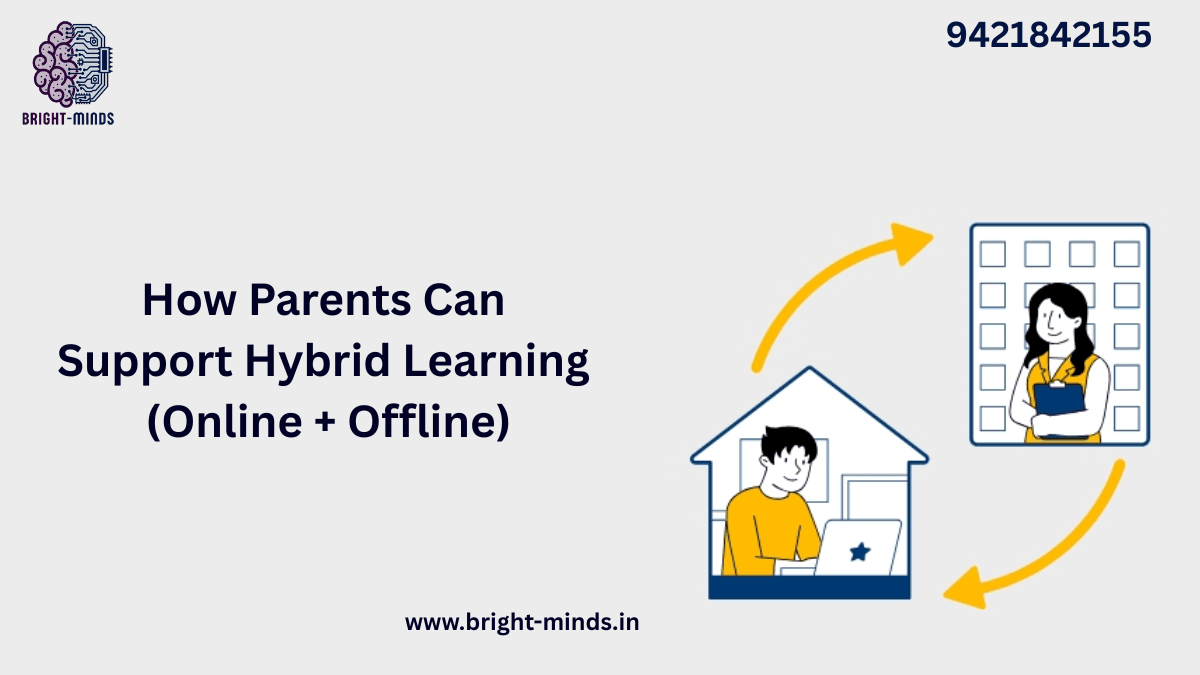
In 2026, learning is no longer limited to a classroom or a single screen. Children today attend school physically, complete assignments online, join virtual classes, and use educational apps — all in the same week. This combined system is known as hybrid learning, and it has become the new normal across schools, coaching centers, and even corporate training programs.
For families, this creates both opportunity and confusion. Many parents ask, How do I manage this? Am I supposed to be a teacher, tech support, and mentor all at once? The answer is yes — but in a healthy and practical way.
That is where Hybrid Learning for Parents becomes important. When parents understand how to support both online and offline learning, children become more confident, focused, and successful.
This guide will help you understand what hybrid learning really means, why it matters, and how parents and working professionals can support children effectively.
What Is Hybrid Learning?
Hybrid learning is a system that blends online digital education with offline classroom or home-based learning. Instead of choosing between school or e-learning, students get the best of both worlds.
For example:
A child may attend school from Monday to Friday but still watch recorded lessons at home.
Homework might be submitted through Google Classroom.
Teachers may use apps like Zoom, Microsoft Teams, or learning portals.
Children might practice math on an app and write essays on paper.
This combination allows students to learn anytime, anywhere, and at their own speed.
For parents, hybrid learning means becoming part of the learning ecosystem — not just checking report cards, but supporting daily learning routines.
Why Hybrid Learning for Parents Is So Important
Children are not naturally organized learners. They need guidance. When learning moves partly online, it becomes easy to get distracted, confused, or unmotivated. That is why Hybrid Learning for Parents is no longer optional — it is essential.
Here’s what happens when parents are involved:
Children attend online classes on time.
Assignments are completed regularly.
Screen time is used for learning, not just games.
Kids develop better discipline and time management.
Stress levels go down because routines are clear.
When parents understand how hybrid learning works, children don’t feel lost — they feel supported.
The Parent’s New Role in Hybrid Education
In traditional schooling, parents only needed to check homework and attend parent-teacher meetings. But hybrid learning changes that.
Today’s parent plays three roles:
The Learning Guide
You help your child understand what needs to be done each day.
The Digital Assistant
You make sure devices, internet, and platforms are working.
The Emotional Coach
You support your child when they feel overwhelmed or tired.
This does not mean sitting beside your child all day. It means creating a system that allows them to learn independently with confidence.
Creating a Hybrid Learning Routine at Home
A strong daily routine is the backbone of hybrid learning for parents.
Start by creating a simple schedule:
Time for online classes
Time for school homework
Time for revision
Time for physical activity
Time for relaxation
Children feel safe when they know what comes next. A predictable routine reduces anxiety and improves focus.
Example:
Your child attends online school from 9 AM to 12 PM. After lunch, they revise notes and complete offline worksheets. In the evening, they read or practice skills.
This balance between screen learning and offline learning is the true power of hybrid education.
Setting Up the Right Learning Environment
Hybrid learning needs the right space.
Your child does not need a fancy study room. They need:
A quiet corner
A desk or table
Good lighting
Minimal distractions
Keep the TV off during learning hours. Keep toys away from the study area. Let this space feel like “school at home.”
This small change improves attention dramatically.
Managing Screen Time the Smart Way
One of the biggest fears parents have is too much screen time. Hybrid learning increases device use, but not all screen time is bad.
The key is purposeful screen use.
Good screen time includes:
Online classes
Educational videos
Learning apps
Digital books
Bad screen time includes:
Random YouTube
Games during study hours
Social media
Use parental controls and timers. Teach children that screens are tools, not toys during learning hours.
Helping Kids Stay Motivated in Hybrid Learning
Without classroom pressure, some kids lose motivation. This is where Hybrid Learning for Parents makes the biggest difference.
Simple motivation techniques:
Praise effort, not just marks
Celebrate small wins
Set weekly learning goals
Give short breaks
When a child feels appreciated, they try harder.
Example:
If your child completes their online class without reminders, say, “I’m proud of your focus today.” These words matter.
Supporting Working Parents and Corporate Families
Many parents today work full-time jobs or corporate roles. They worry they cannot give enough time to their child’s learning.
Hybrid learning actually helps here.
You can:
Check assignments in the evening
Review progress through school apps
Attend virtual parent meetings
Set weekend revision sessions
Hybrid systems allow parents to stay involved even with busy schedules.
Using Technology as a Learning Partner
There are many tools that support hybrid learning:
Google Classroom
Zoom or Teams
Khan Academy
Byju’s
Duolingo
School learning portals
Parents do not need to master every app. Just understand what your child is using and why.
Ask them to show you what they learned today. This builds communication and confidence.
Real-World Skills Developed Through Hybrid Learning
Hybrid learning does more than teach math or science. It builds future-ready skills:
Self-discipline
Digital literacy
Time management
Independent thinking
Problem-solving
These skills help children succeed not only in school but also in careers later.
Common Challenges and How Parents Can Solve Them
Problem: Child skips online classes
Solution: Set alarms and reminders
Problem: Child gets distracted
Solution: Use study timers and quiet spaces
Problem: Child feels stressed
Solution: Reduce workload and add breaks
Hybrid learning is flexible. Adjust it to suit your child.
The Future of Hybrid Learning
In 2026 and beyond, schools and companies are investing heavily in hybrid education. This system will not disappear. It will grow.
Parents who understand hybrid learning now will give their children a major advantage in education and life.
Final Thoughts: Your Role Matters
Hybrid learning for parents is not about being perfect. It is about being present.
When you show interest in your child’s learning, when you create a simple routine, and when you encourage them — you become their strongest educational support.
If you want deeper guidance, explore structured learning programs, digital education tools, and parenting-focused learning resources that help you stay ahead in this modern education system.
The future belongs to learners — and parents who support them.
You may also like this:-