
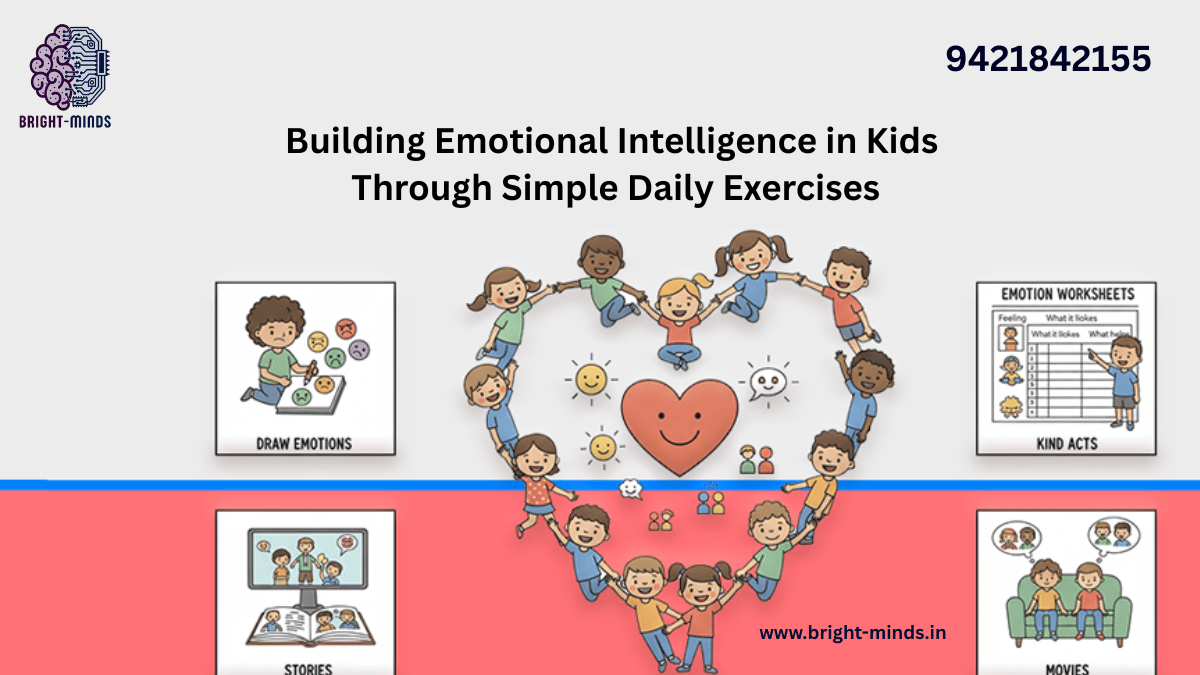
Building Emotional Intelligence in Kids Through Simple Daily Exercises
Raising children in today’s fast paced world involves more than academic excellence or technical skills. Parents and educators are increasingly recognizing that emotional intelligence plays a defining role in shaping confident, empathetic, and resilient individuals. Emotional intelligence refers to the ability to understand, manage, and express emotions while also recognizing and respecting the feelings of others. When children develop this skill early, they build stronger relationships, navigate challenges calmly, and grow into thoughtful decision makers. The encouraging reality is that emotional intelligence does not require expensive programs or complex methods to teach. It can be nurtured through simple daily exercises woven into ordinary routines at home or school. This article explores practical strategies and insights that help build emotional awareness in children in natural and meaningful ways.
Understanding Emotional Intelligence in Childhood
Emotional intelligence in children includes self awareness, self regulation, empathy, motivation, and social skills. These components work together to help a child interpret emotional experiences and respond appropriately. A child who recognizes frustration and expresses it constructively shows emotional growth, while one who comforts a friend demonstrates empathy. Unlike academic learning that often follows structured lessons, emotional intelligence develops through observation, interaction, and reflection. When adults intentionally create emotionally supportive environments, children internalize healthy behavioral patterns. Over time, these patterns become habits that guide them through complex social situations and personal challenges.
Why Emotional Intelligence Matters for Kids
Children with strong emotional intelligence often perform better in teamwork, communication, and conflict resolution. They manage stress more effectively and demonstrate higher self confidence. Emotional skills also contribute to academic success because students who regulate emotions remain focused and motivated. Consider a classroom scenario where a child struggles with a difficult task. Instead of giving up, emotionally aware children express their frustration, seek help, and try again. This mindset fosters resilience and lifelong learning. Parents frequently observe similar outcomes at home when children handle disagreements calmly or express feelings openly rather than through tantrums or withdrawal.
The Role of Daily Habits in Emotional Development
Daily habits shape emotional responses far more effectively than occasional lectures about behavior. Small consistent actions create repeated learning opportunities where children practice emotional awareness and regulation. These exercises do not require extra time or resources. They can occur during breakfast conversations, bedtime routines, or playtime interactions. The key is intentionality. Adults must model patience, empathy, and open communication, reinforcing positive emotional habits through example. Children mirror what they observe, making everyday interactions powerful teaching tools.
Creating a Safe Emotional Environment
Before introducing exercises, establishing a supportive atmosphere is essential. Children need to feel safe expressing feelings without judgment. Encouraging open conversations about happiness, sadness, anger, or excitement builds trust. For example, asking a child about the best and most challenging part of their day signals that their experiences matter. Listening attentively without interruption strengthens emotional validation. Over time, children learn that sharing emotions is acceptable and constructive rather than something to hide or suppress.
Simple Daily Exercises to Build Emotional Intelligence
Practical exercises integrated into daily routines gradually strengthen emotional awareness and empathy. These techniques require minimal preparation and adapt easily to different age groups.
Emotion Naming Practice
Helping children label their emotions builds vocabulary and awareness. During everyday situations, adults can ask guiding questions such as how they feel about an event or outcome. A child who loses a game may initially respond with anger or silence. Encouraging them to identify disappointment or frustration helps clarify their emotional state. Repeated practice strengthens self awareness and communication skills.
Reflective Listening Conversations
Reflective listening involves repeating or summarizing what a child expresses to confirm understanding. When a child shares an experience, responding with statements that acknowledge their perspective reinforces validation. For instance, saying that it sounds like they felt nervous before a presentation demonstrates attentiveness. This exercise teaches empathy and respectful dialogue while strengthening trust between children and adults.
Gratitude Sharing Ritual
Encouraging children to express gratitude daily nurtures optimism and appreciation. At dinner or bedtime, inviting each family member to share something they appreciated promotes positive reflection. This habit shifts focus from frustration toward recognition of meaningful moments. Children gradually develop emotional balance and perspective as they learn to identify value in everyday experiences.
Role Play and Perspective Taking
Role play activities encourage children to imagine situations from another viewpoint. Acting out scenarios involving friendship, sharing, or conflict helps them understand different emotional responses. For example, pretending to be both participants in a disagreement allows children to experience empathy and problem solving. These imaginative exercises enhance emotional flexibility and social awareness.
Calm Breathing Techniques
Teaching children simple breathing exercises provides tools for emotional regulation. When faced with stress or anger, guided breathing helps restore calmness. Demonstrating slow inhaling and exhaling during tense moments equips children with a strategy to manage reactions. Over time, they learn to apply this technique independently, reducing impulsive responses and improving focus.
Incorporating Emotional Learning Into Play
Playtime offers natural opportunities to reinforce emotional intelligence. Cooperative games, storytelling, and creative activities allow children to explore feelings in engaging contexts. Board games encourage patience and sportsmanship, while storytelling invites emotional interpretation of characters. Asking questions about characters’ feelings or motivations strengthens empathy and comprehension. Creative drawing activities where children illustrate emotions further support expression and understanding.
Real Life Example of Play Based Learning
Consider a group activity where children collaborate to build something using simple materials. Disagreements inevitably arise regarding design or leadership. Instead of resolving conflicts immediately, guiding children to discuss perspectives teaches negotiation and compromise. Observing how cooperation leads to success reinforces positive emotional behaviors. These experiences create memorable lessons that formal instruction alone cannot achieve.
The Influence of Adult Modeling
Children absorb emotional cues from parents, teachers, and caregivers. Demonstrating patience during stressful moments or expressing appreciation openly sets powerful examples. Adults who acknowledge their own emotions transparently teach authenticity and accountability. For instance, explaining feeling tired yet committed to completing a task shows balanced emotional management. Consistent modeling builds credibility and reinforces emotional principles naturally.
Encouraging Emotional Reflection
Prompting children to reflect on their emotional experiences deepens understanding. After significant events, asking what they learned or felt encourages introspection. Reflection fosters critical thinking and personal growth. Writing or drawing about experiences provides alternative expression methods for children less comfortable with verbal communication. These reflective practices strengthen emotional awareness over time.
Technology and Emotional Intelligence Balance
Modern children interact extensively with digital devices, making balance essential. While technology offers educational value, excessive screen exposure may limit interpersonal interaction. Setting boundaries ensures children engage in meaningful face to face communication. Encouraging offline activities such as collaborative games or family discussions nurtures empathy and social understanding. Balanced technology usage complements emotional development rather than hindering it.
Long Term Benefits of Emotional Intelligence Development
Investing time in emotional skill building yields lasting advantages. Emotionally intelligent children grow into adults capable of managing relationships, workplace challenges, and personal well being effectively. They demonstrate leadership qualities rooted in empathy and understanding. Academic achievements often improve as emotional regulation enhances concentration and motivation. Social interactions become more fulfilling because communication is thoughtful and respectful. These benefits extend beyond childhood, shaping character and decision making throughout life.
Preparing Kids for Real World Challenges
Life inevitably presents challenges that require resilience and adaptability. Children equipped with emotional intelligence approach difficulties constructively rather than reactively. Whether navigating peer pressure, academic pressure, or personal setbacks, emotional awareness guides healthier responses. Simple daily exercises gradually build this strength, preparing children for diverse future scenarios.
Practical Tips for Parents and Educators
Consistency remains crucial when nurturing emotional intelligence. Setting aside dedicated time for conversation, encouraging expression, and modeling empathy strengthens learning. Avoid dismissing feelings or offering immediate solutions without listening. Instead, guide children toward exploring their emotions independently. Celebrate emotional progress just as academic achievements are celebrated. Recognizing effort reinforces motivation and confidence.
Building Emotional Habits That Last
Habits formed early shape personality and perspective. Integrating emotional exercises into routines ensures continuity. Morning affirmations, shared reflections, or cooperative problem solving gradually become natural practices. These habits embed emotional intelligence deeply within a child’s behavioral framework, supporting growth beyond structured guidance.
Conclusion
Building emotional intelligence in kids does not require elaborate methods or specialized programs. Simple daily exercises integrated into routine interactions create profound developmental impact. By encouraging emotional awareness, empathy, and reflection, parents and educators nurture confident individuals prepared to navigate relationships and challenges thoughtfully. Emotional intelligence complements academic learning, shaping well rounded personalities equipped for lifelong success. Through patience, modeling, and consistency, adults transform everyday moments into opportunities for emotional growth, ensuring children develop skills that benefit them for years to come.
You may also like this:-