
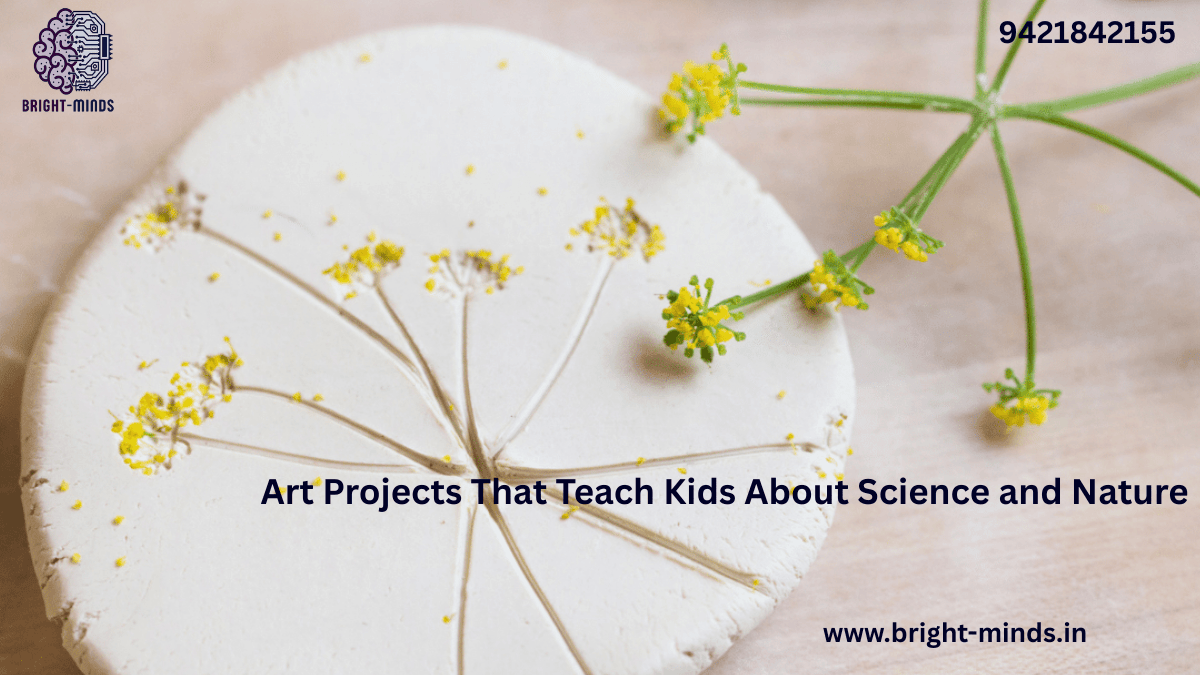
Art Projects That Teach Kids About Science and Nature
Children are naturally curious about the world around them. They notice patterns in leaves, watch insects move across the ground, and wonder why the sky changes colors. When art and science come together, that curiosity becomes a powerful learning tool. Art projects that explore nature and scientific ideas help children understand complex concepts through creativity, experimentation, and hands on discovery. Instead of memorizing facts, kids see science in action.
Creative activities that combine art with science encourage observation, critical thinking, and problem solving. These projects allow children to explore ecosystems, weather, plants, animals, and natural processes while expressing their imagination. By turning scientific ideas into visual and tactile experiences, learning becomes memorable and meaningful. Parents, teachers, and caregivers can use simple materials to guide children through creative projects that reveal how the natural world works.
Why Art and Science Work Well Together for Kids
Art and science might seem like different subjects, but they share an important foundation. Both require curiosity, observation, experimentation, and creativity. Scientists observe the world and ask questions. Artists also observe closely and interpret what they see in unique ways. When children create art inspired by nature and scientific ideas, they develop a deeper understanding of both disciplines.
Hands on art projects also make abstract science concepts easier to understand. Instead of simply reading about plant structures or weather patterns, kids build, paint, sculpt, and experiment. This active involvement strengthens learning and memory. When children use multiple senses such as touch, sight, and movement, their brains form stronger connections.
Art projects also encourage children to slow down and look carefully at nature. A child who paints a flower begins to notice the shapes of petals, the veins in leaves, and the colors in the center of the bloom. That careful observation mirrors the work of real scientists studying plants and ecosystems.
Another benefit is emotional connection. When kids create art inspired by nature, they often develop a deeper appreciation for the environment. This sense of connection can lead to lifelong curiosity and respect for the natural world.
Leaf Printing to Explore Plant Structures
Understanding the Science of Leaves
Leaves are more than just decorations on trees. They are essential parts of plants that perform photosynthesis, the process that converts sunlight into energy. Leaves also contain intricate vein patterns that transport water and nutrients.
A leaf printing art project helps children study these structures closely while creating beautiful artwork. As kids examine leaves, they begin to notice differences in shape, size, and texture among various plant species.
How to Do the Activity
Collect different types of leaves from a garden or park. Encourage children to observe their shapes and textures. Provide washable paint, paper, and brushes. Kids paint the underside of a leaf where the veins are most visible. Then they press the leaf onto paper to create a print.
When the leaf is lifted, the detailed vein pattern appears on the page. This reveals how nutrients move through the leaf structure. Children can compare different prints and notice how plant species vary.
Science Lessons Kids Learn
Children discover that each plant has unique leaf shapes. They also learn about veins, plant anatomy, and the role leaves play in producing energy. This simple project turns a walk outside into an exploration of botany.
Nature Collage to Study Ecosystems
Observing the Environment
An ecosystem includes plants, animals, soil, water, and sunlight working together. Understanding ecosystems helps children recognize how living things depend on each other.
A nature collage allows kids to represent ecosystems through art while learning about relationships between living organisms and their environment.
Creating the Collage
Children collect safe natural materials such as small twigs, dried leaves, grass, flower petals, and seeds. Using glue and paper, they arrange these items into scenes that represent natural environments such as forests, ponds, or gardens.
Encourage children to think about where each item belongs. Leaves might represent trees while small pebbles could represent soil or riverbeds.
Science Connections
During the activity, adults can introduce simple ecological concepts. For example, plants provide food and shelter for animals. Water sources support both plant and animal life. Soil contains nutrients that plants need to grow.
By arranging natural materials into ecosystems, children visualize how different parts of nature interact.
Weather Painting to Learn About Climate
Understanding Weather Patterns
Weather influences nearly every part of life on Earth. Clouds, rain, sunshine, and wind all shape natural environments. Art can help children understand these patterns in a creative way.
Weather painting encourages kids to represent different weather conditions through color, texture, and movement.
Activity Instructions
Give children paper and watercolor paints. Ask them to create paintings that represent specific weather conditions. For sunny weather they might use warm yellow tones and bright light patterns. For rain they might create dripping lines and cool blue colors.
Children can also experiment with blowing paint through straws to represent wind patterns. Sponges can create cloud textures.
Scientific Ideas Behind the Art
While painting, kids learn how weather conditions differ. They understand that clouds form from water vapor and rain returns water to the ground. The activity also introduces basic climate observation skills.
Over time, children can compare their artwork to real weather they observe outside.
Rock Painting and the Study of Geology
Rocks Tell Earths Story
Rocks provide clues about the history of the planet. Different rock types form through unique geological processes such as volcanic activity, sediment buildup, and heat deep inside the Earth.
Rock painting transforms geology into a creative experience.
How Kids Can Explore Rocks
Children collect smooth rocks from outdoor spaces. After washing and drying them, they paint designs that represent natural features such as mountains, rivers, fossils, or minerals.
Adults can explain the three major rock types which are igneous, sedimentary, and metamorphic. Kids can even label the rocks or group them based on texture and appearance.
What Kids Discover
Through this project children learn that rocks are not all the same. Some are rough while others are smooth. Some contain visible crystals while others show layered patterns. These observations introduce fundamental geological concepts.
Flower Dissection Art for Learning Plant Anatomy
Looking Inside a Flower
Flowers are reproductive structures of plants, and they contain several parts that work together to produce seeds. These parts include petals, stamens, pistils, and sepals.
A flower dissection art activity helps children examine these structures carefully.
Step by Step Exploration
Provide fresh flowers and a magnifying glass if available. Children gently separate each part of the flower and place them on paper. They can glue the parts in place and draw labels for each structure.
Some kids choose to create artistic patterns with petals while still learning about the anatomy.
Scientific Benefits
Children learn how plants reproduce and how pollination works. They also develop observation skills as they compare flower shapes and structures.
This activity blends biology, art, and scientific exploration in a memorable way.
Sun Print Art to Understand Light Energy
The Power of Sunlight
Sunlight provides energy that drives many natural processes on Earth. Plants use sunlight for photosynthesis and sunlight also influences temperature and weather.
Sun print art demonstrates the effect of light in a simple visual way.
Creating Sun Prints
Place objects such as leaves, feathers, or small toys on light sensitive paper or colored construction paper. Leave the paper in direct sunlight for several hours.
When the objects are removed, the exposed areas fade while the covered areas remain darker, creating a silhouette image.
Science Concepts Kids Learn
Children see direct evidence that sunlight changes materials over time. This introduces ideas about light energy, solar exposure, and environmental change.
The resulting artwork also becomes a lasting reminder of the experiment.
Recycled Art Projects That Teach Environmental Science
Learning About Sustainability
Environmental science includes understanding how human activities affect the planet. Recycling and reducing waste are important parts of protecting natural ecosystems.
Recycled art projects help children learn these lessons in a positive and creative way.
Creative Recycling Ideas
Kids can transform cardboard boxes into animal habitats, turn plastic bottles into bird feeders, or create sculptures from paper tubes and packaging materials.
Encourage children to think about how everyday objects can be reused instead of thrown away.
Environmental Awareness Through Creativity
Through these projects kids learn about waste reduction and resource conservation. They begin to understand that materials have value even after their original purpose is finished.
This awareness encourages responsible habits that benefit the environment.
Butterfly Life Cycle Art Project
Exploring Animal Development
Butterflies undergo a process called metamorphosis. Their life cycle includes four stages which are egg, caterpillar, chrysalis, and adult butterfly.
Art projects that illustrate this process help children visualize biological transformation.
Crafting the Life Cycle
Children draw or sculpt each stage of the butterfly life cycle using clay, paper, or paint. They arrange the stages in a circular pattern to show the continuous cycle of life.
Some kids create a large poster while others build a three dimensional display.
What Kids Learn
The activity introduces basic zoology and life science concepts. Kids see how animals grow and change throughout their lives. They also learn how butterflies depend on plants and ecosystems for survival.
Tips for Making Science Art Projects More Educational
Encourage Observation
Ask children to look closely at natural objects before creating art. Questions like What shapes do you see or How does this feel help develop scientific thinking.
Ask Open Ended Questions
Instead of giving all the answers, encourage kids to ask questions and explore possibilities. For example ask Why do you think this leaf has so many veins.
Connect Art to Real World Science
After finishing a project, discuss the science behind it. Talk about how plants grow, how weather forms, or how animals live in different habitats.
Create Outdoor Learning Moments
Many of these projects become more meaningful when children gather materials from nature. Walks in parks, gardens, or forests provide inspiration and opportunities for discovery.
How Art Based Science Activities Support Child Development
Art projects that explore science and nature support multiple aspects of childhood development. Creativity improves problem solving skills and flexible thinking. Hands on activities strengthen fine motor skills and coordination.
Science themed art also supports language development. As children describe their projects and observations, they learn new vocabulary related to plants, animals, weather, and ecosystems.
Another important benefit is confidence. When children create something meaningful while discovering new ideas, they feel proud of their learning process.
These activities also encourage patience and focus. Observing a flower, painting a landscape, or arranging natural materials requires attention and care.
Bringing Science and Nature Into Everyday Creativity
Teaching science does not always require textbooks or complicated equipment. Many powerful learning experiences begin with simple art supplies and a walk outside. Leaves, rocks, flowers, sunlight, and recycled materials can all become tools for discovery.
When children explore science through art, they connect knowledge with imagination. They learn that the natural world is full of patterns, colors, and fascinating processes waiting to be explored.
Parents and educators who combine creativity with scientific curiosity help children build lifelong appreciation for both learning and the environment. The result is not only beautiful artwork but also a deeper understanding of the world around them.
You may also like this:-