
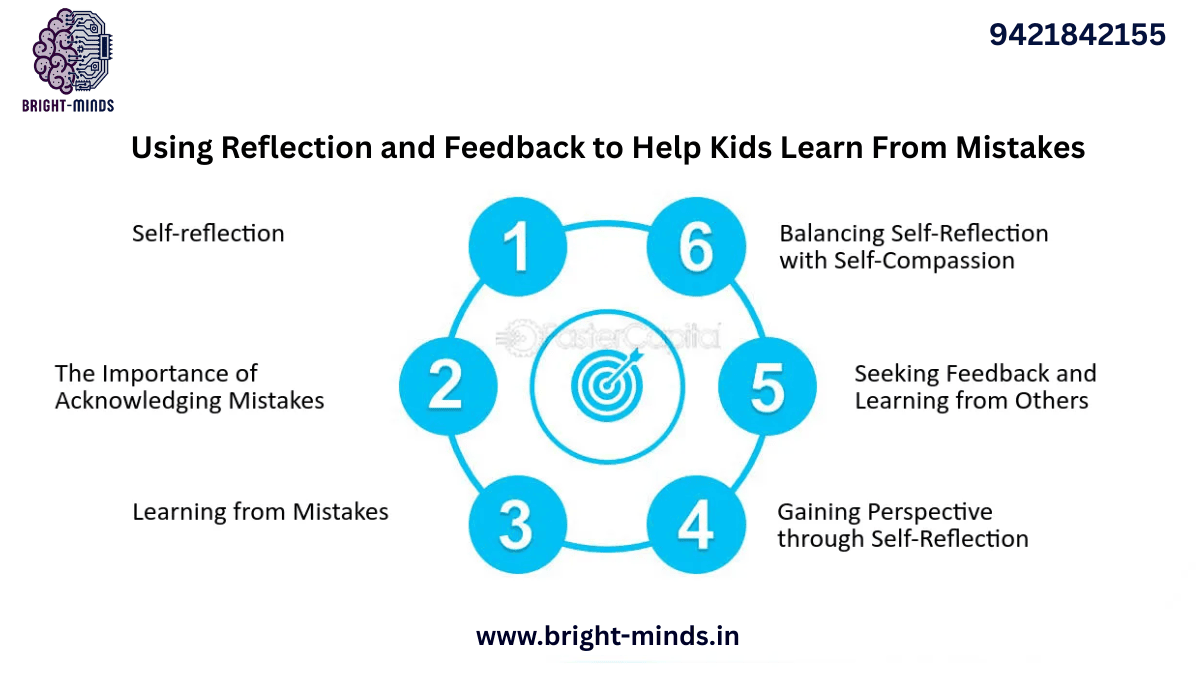
Using Reflection and Feedback to Help Kids Learn From Mistakes
Every child makes mistakes. They forget homework, spill milk, argue with friends, lose games, and sometimes give up too quickly. While mistakes are often seen as problems, they are actually powerful learning opportunities. The way parents and teachers respond in those moments shapes how children think about effort, responsibility, and growth. When adults use reflection and feedback thoughtfully, mistakes become stepping stones instead of setbacks. Children learn to think, adapt, and improve with confidence.
Helping kids learn from mistakes is not about criticism or punishment. It is about guiding them to understand what happened, why it happened, and what they can do differently next time. Reflection builds awareness. Feedback provides direction. Together, they nurture resilient, thoughtful learners who are not afraid to try again.
Why Mistakes Are Essential for Real Learning
Children do not develop problem solving skills by getting everything right. Real learning happens when they face challenges and work through them. Mistakes show gaps in understanding and areas that need improvement. When children are allowed to examine their errors calmly, they begin to connect actions with outcomes.
For example, a child who rushes through math homework may score poorly. If a parent simply scolds them, the learning stops. But if the parent asks what went wrong and helps them notice careless steps, the child begins to understand the importance of focus and accuracy. This process builds responsibility rather than fear.
Mistakes also strengthen emotional resilience. Children who learn to handle errors constructively become more confident in new situations. They stop fearing failure and start seeing challenges as part of growth.
The Power of Reflection in Child Development
Helping Kids Understand What Happened
Reflection encourages children to pause and think about their experiences. Instead of reacting emotionally, they learn to analyze situations logically. This builds self awareness and maturity.
After a difficult day at school, a parent can ask simple questions. What part of the day felt hardest? What do you think caused that situation? These questions guide children to observe their own behavior and decisions.
Over time, this habit develops independent thinking. Children learn to evaluate situations without always depending on adults for answers.
Turning Emotions Into Learning
Mistakes often bring frustration, embarrassment, or disappointment. Reflection helps children process these emotions safely. When adults acknowledge feelings instead of dismissing them, children feel heard and supported.
For instance, if a child loses a competition, saying It is okay you can try next time may not help much. Instead, asking How did you feel when the results were announced? opens emotional expression. Once feelings are expressed, parents can guide children toward constructive thinking.
Emotional awareness is a foundation for strong mental health and better decision making.
Giving Feedback That Builds Confidence
Positive Feedback That Encourages Growth
Feedback should guide, not discourage. When children feel judged, they stop trying. When they feel supported, they stay motivated. Positive feedback focuses on effort and improvement rather than personal criticism.
Instead of saying You are bad at drawing, try saying I like how you used bright colors. Let us work on shapes together. This approach highlights strengths while gently guiding improvement.
Children become more open to learning when feedback feels safe and respectful.
Specific Feedback Creates Clear Direction
Vague comments confuse children. Clear and specific feedback helps them understand exactly what to improve.
If a child writes an essay with mistakes, saying Do better next time gives no direction. But saying Your ideas are strong. Let us check spelling and sentence structure together provides a clear path for improvement.
Specific feedback turns mistakes into actionable lessons.
Practical Ways Parents Can Encourage Reflection
Ask Thoughtful Open Questions
Questions guide children toward deeper thinking. Instead of giving ready solutions, parents can encourage self discovery.
Ask questions like What do you think worked well? What would you change if you tried again? What did you learn from this experience?
These questions develop critical thinking and responsibility.
Use Daily Conversations as Reflection Time
Reflection does not need formal sessions. Everyday moments work best. Dinner conversations, bedtime chats, or car rides are perfect opportunities.
Parents can ask children to share one good moment and one challenging moment from the day. This simple routine builds a habit of thoughtful reflection.
Encourage Journaling and Creative Expression
Writing or drawing helps children express thoughts clearly. A simple daily journal where children write about experiences and lessons can improve clarity and emotional expression.
Younger children can draw their feelings or experiences. Creative reflection makes learning engaging and natural.
Constructive Feedback Techniques for Parents
Use the Sandwich Method
Start with appreciation, discuss the area of improvement, and end with encouragement. This keeps children receptive to feedback.
For example, You worked hard on your project. Let us organize your points better. I know you can make it even stronger.
This method balances honesty and motivation.
Focus on Behavior Not Personality
Feedback should address actions, not identity. Saying You are careless harms confidence. Saying This work has a few mistakes encourages improvement without personal judgment.
Children separate their self worth from performance when feedback is behavior focused.
Give Feedback at the Right Time
Timing matters. Immediate feedback works for simple tasks. For emotional situations, allow children to calm down before discussing lessons.
A child who just lost a match may not listen to advice instantly. Waiting until emotions settle leads to better understanding.
Real Life Situations Where Reflection Helps
Academic Mistakes
A student scoring low in exams can review errors and identify weak areas. Parents can help them create a plan for improvement rather than focusing only on marks.
Social Conflicts
If children argue with friends, reflection helps them understand perspectives and communication gaps. They learn empathy and conflict resolution.
Sports and Activities
Athletes review performance to improve skills. Children in sports can reflect on strategy, teamwork, and practice routines. This builds discipline and perseverance.
Building a Growth Mindset Through Reflection
Children who learn from mistakes develop a growth mindset. They believe abilities improve with effort and learning. Reflection reinforces this belief by showing progress over time.
Parents can remind children of past challenges they overcame. This strengthens confidence and persistence.
Creating a Safe Environment for Honest Learning
Children reflect honestly only when they feel safe. Harsh criticism and comparison create fear. Supportive conversations create trust.
Celebrate effort, listen patiently, and avoid comparisons with others. A safe environment encourages children to share mistakes without hiding them.
Practical Daily Habits That Reinforce Learning
Encourage children to set small goals and review them regularly.
Praise effort consistently.
Model reflection by sharing your own learning experiences.
Teach children that improvement matters more than perfection.
Keep communication open and supportive.
You may also like this:-