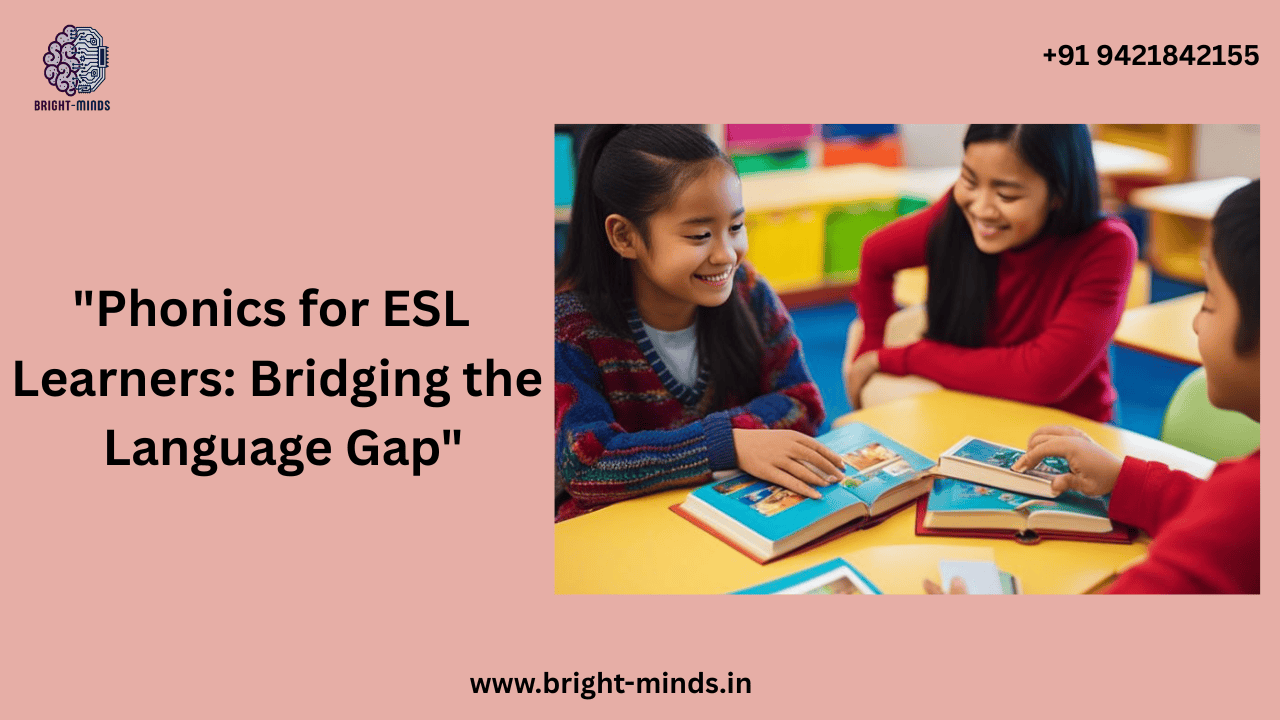
Learning a new language can feel like unlocking a secret code, especially when that language is English—a language full of exceptions, silent letters, and tricky pronunciations. For ESL (English as a Second Language) learners, one of the most effective tools to decode this complexity is phonics. Phonics for ESL learners […]
Read More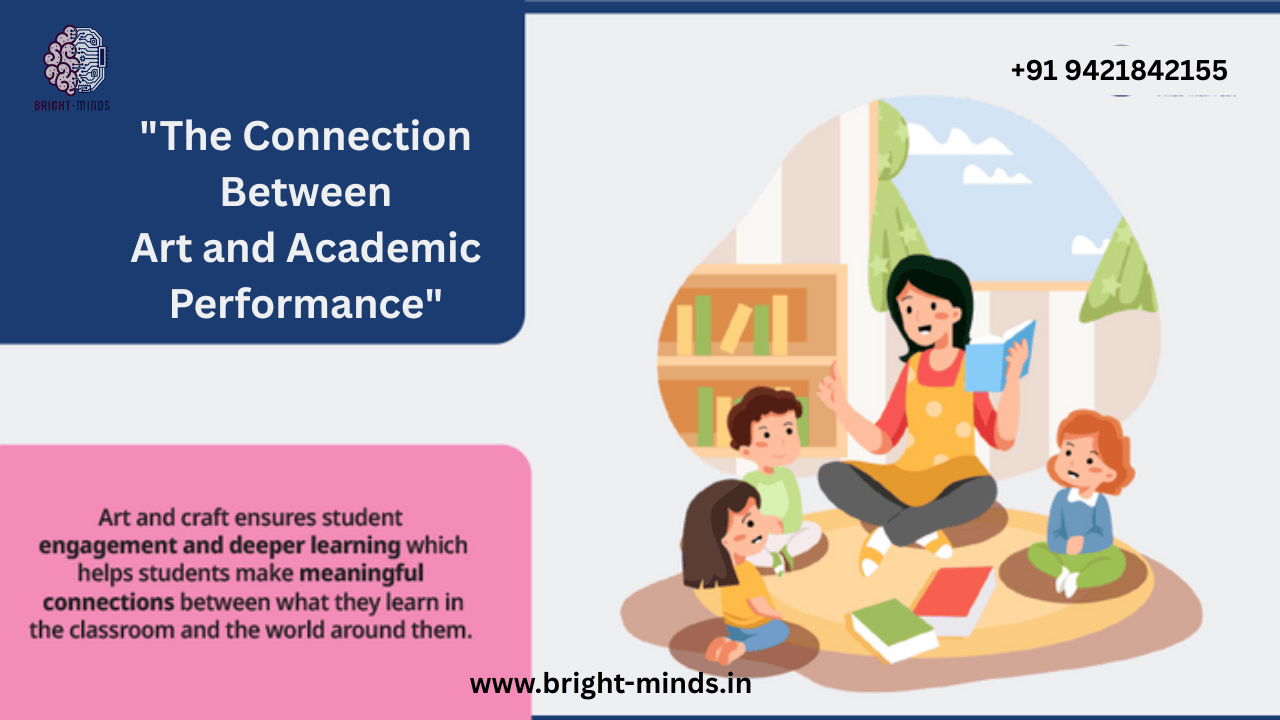
“The Connection Between Art and Academic Performance”
Every child holds within them a spark of creativity waiting to be nurtured. Whether through painting, music, drama, or dance, artistic expression offers a pathway for the mind to explore, imagine, and connect. Yet, art’s value extends far beyond the canvas or stage—it plays a crucial role in shaping academic […]
Read More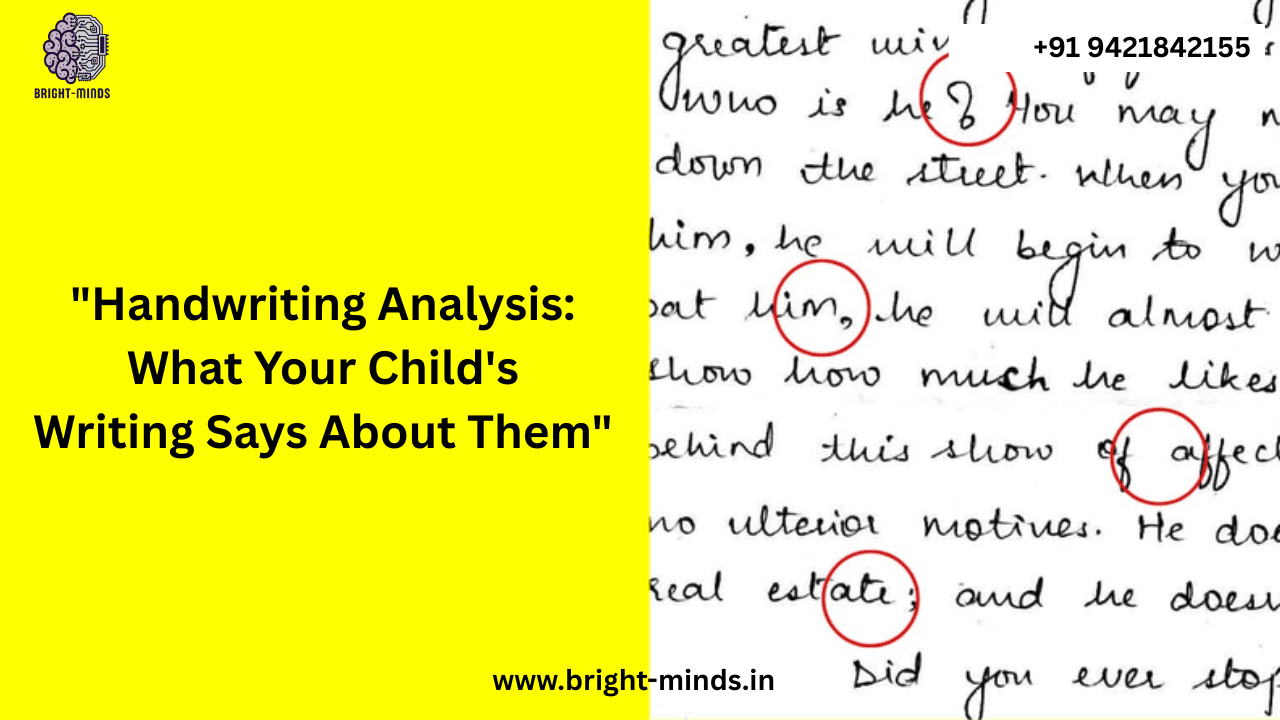
“Handwriting Analysis: What Your Child’s Writing Says About Them”
From the first time your child learns to write their name, every curve, loop, and stroke tells a story. Beyond spelling and neatness lies a deeper layer—an insight into how your child thinks, feels, and processes the world around them. This is the fascinating science of handwriting analysis for children, […]
Read More
Building Confidence in Communication: Strategies for Parents
Every parent dreams of raising a confident, articulate child who can express their thoughts clearly, share ideas fearlessly, and connect meaningfully with others. Yet, in a fast-paced digital world dominated by screens and short attention spans, developing strong communication skills has become more challenging than ever. Whether your child is […]
Read More
Drawing Techniques That Improve Fine Motor Skills
If you’ve ever watched a child holding a crayon for the first time, you know how much effort goes into that tiny grip. Drawing may look like a simple pastime, but behind every stroke lies a powerful learning process — one that develops coordination, strength, and creativity. In today’s world, […]
Read More
Grammar Games: Turning Rules into Play
Learning grammar has always carried a reputation for being dry and repetitive. Endless worksheets, confusing rules, and tricky exceptions can make even the most enthusiastic learners lose interest. But what if we told you that learning grammar could be as exciting as playing a game? Welcome to the world of […]
Read More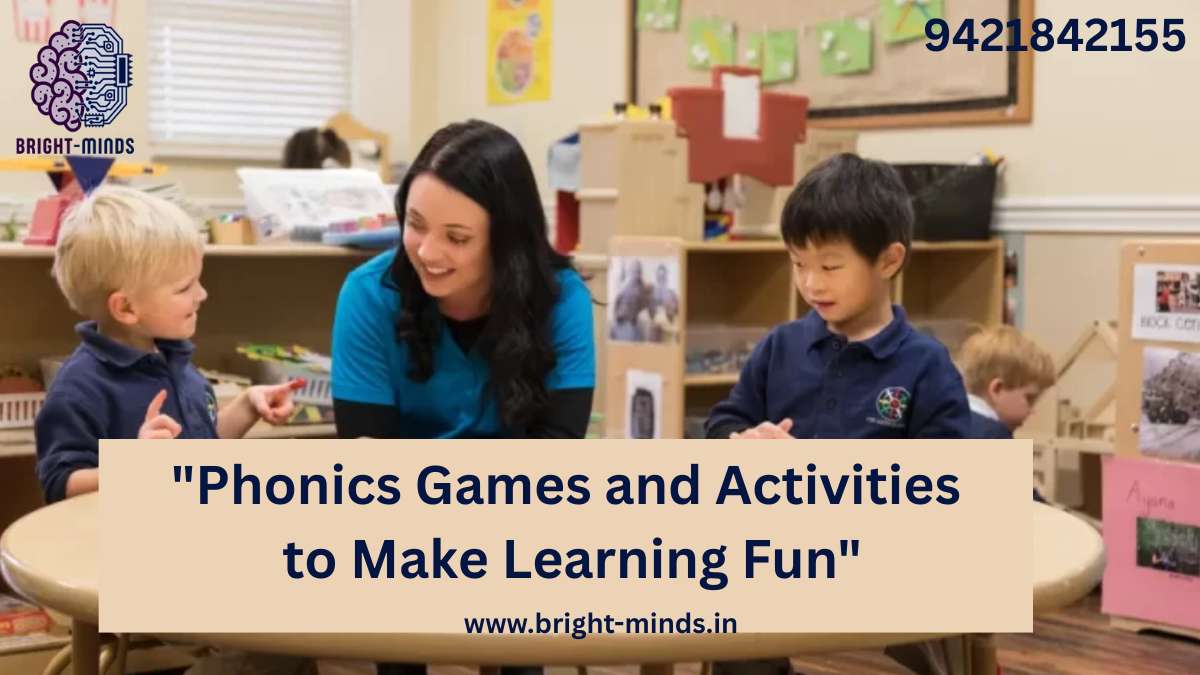
Phonics Games and Activities to Make Learning Fun
Learning to read is one of the most important milestones in a child’s life—but let’s be honest: it’s not always easy. For many kids (and even some adults), learning phonics—the relationship between letters and their sounds—can feel repetitive, dry, and confusing. But what if learning phonics could be exciting? What […]
Read More
The Impact of Handwriting on Memory and Learning Retention: Why Pen Still Beats Keyboard
In a world increasingly dominated by screens and keyboards, you might wonder: Is handwriting still relevant? Surprisingly, science—and experience—says yes. If you’re looking to sharpen your memory, improve your focus, and boost your long-term learning retention, picking up a pen might be your smartest move. Whether you’re a student, professional, […]
Read More
How Pre-Primary Classes Foster Social Skills and Emotional Intelligence
Building Strong Minds and Kind Hearts—From the Very Start When we think about early childhood education, our minds often go straight to ABCs, numbers, and colors. But in the world of pre-primary education, something far more powerful is taking place: children are learning how to connect with others, manage emotions, […]
Read More
Integrating Art and Language: The Benefits of Drawing in Language Learning
Unlocking Language Through Creativity—One Sketch at a Time Learning a new language can feel overwhelming at first—especially for young learners or beginners stepping into unfamiliar vocabulary, grammar, and pronunciation. But what if we told you that a simple pencil and sketchpad could unlock a faster, more enjoyable way to learn […]
Read More