
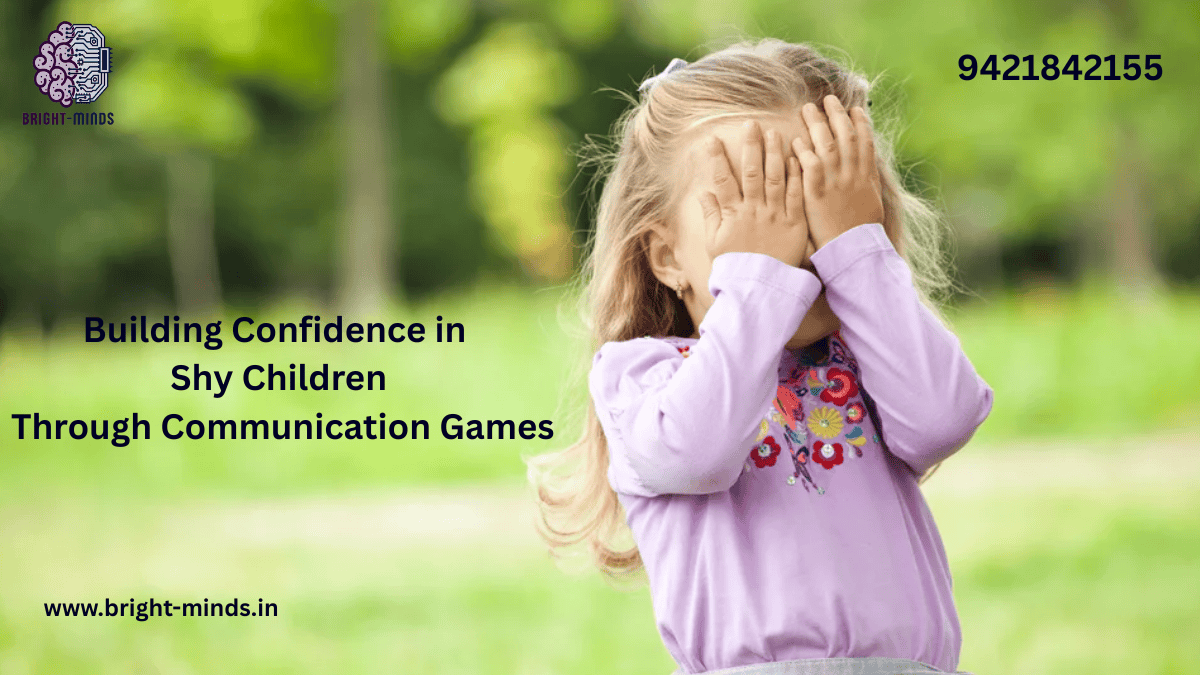
Many children hesitate to speak in groups, avoid eye contact, or stay silent even when they know the answer. Shyness is not a flaw—it is a personality trait. Yet when it prevents children from expressing ideas, making friends, or participating in school or workplace-style activities, confidence-building becomes essential.
Building confidence in shy children is one of the most valuable skills parents, teachers, trainers, and company learning teams can support today. With growing emphasis on collaboration, presentations, and emotional intelligence in modern education and workplaces, communication abilities are no longer optional—they are life skills.
One of the most effective, child-friendly methods to help is communication games. These playful, low-pressure activities gently encourage children to speak, listen, think creatively, and interact socially without fear of judgment.
In this guide, beginners and professionals alike will learn:
• Why children become shy
• How communication games boost confidence
• Easy games to try at home or school
• Tips for teachers and corporate learning teams
• Current trends in confidence-building education
• How to track real progress
Let’s begin the journey toward helping children speak up—happily and naturally.
Why Some Children Are Shy
Before we talk about solutions, it is important to understand the causes of shyness.
Some common reasons include:
• Temperament – Some children are naturally introverted
• Fear of mistakes or criticism
• New environments or unfamiliar people
• Language barriers
• Past negative experiences
• Overexposure to screens with limited social interaction
In today’s digital-first world, many children spend more time online than in face-to-face conversations. Schools and organizations are now recognizing this gap and investing in communication-focused programs earlier than ever.
Why Communication Games Work So Well
Children learn best when they are relaxed and having fun. Traditional lectures about “speaking confidently” rarely work for shy learners. Games, however, create a safe space to experiment.
• Remove pressure to be perfect
• Encourage participation through play
• Build vocabulary naturally
• Strengthen listening skills
• Promote teamwork
• Develop emotional awareness
• Normalize making mistakes
Most importantly, they make confidence feel achievable.
Modern classrooms and training environments increasingly use gamification—turning learning into interactive experiences. This trend is also spreading into employee development programs, where role-play and simulations mirror these child-focused techniques.
How Games Help in Building Confidence in Shy Children
Building confidence in shy children is not about forcing them to speak loudly overnight. It is about gradual exposure, repeated success, and emotional safety.
Games support this by:
• Allowing short, manageable speaking turns
• Offering peer support
• Creating predictable routines
• Celebrating effort instead of perfection
• Shifting focus from the child to the activity
Over time, children move from whispering a single word to sharing ideas in front of groups—often without realizing how far they have come.
Communication Games You Can Start Today
Here are practical, beginner-friendly games that work at home, school, or learning centers.
- The Compliment Circle
How it works:
Children sit in a circle. Each child gives one small compliment to the person on their right.
Why it helps:
• Encourages speaking in a positive tone
• Builds peer bonding
• Boosts self-esteem
Example:
“I like how you draw.”
“You are good at math.”
Tip: Start by modeling compliments yourself.
- Show and Tell With a Twist
Instead of formal presentations, allow children to bring an object they love and answer three gentle questions:
• What is it?
• Why do you like it?
• Where did you get it?
Why it helps:
Talking about something familiar reduces anxiety.
- Emotion Charades
Children act out feelings like happy, surprised, nervous, excited, or proud—without words. Others guess the emotion.
Why it helps:
• Builds emotional vocabulary
• Encourages expression
• Reduces fear of being watched
- Two-Minute Talk Cards
Prepare cards with simple topics:
• My favorite food
• My best holiday
• A superhero I like
• My pet or dream pet
Children pick one and talk for 30 seconds to two minutes.
Why it helps:
Short time limits feel safe and achievable.
- Story Chain
One child begins a story with one sentence. Each child adds one line.
Why it helps:
• No one is responsible for the entire story
• Creativity replaces anxiety
• Encourages listening and responding
- Guess the Sound
A child makes a sound—an animal, machine, or emotion—and others guess.
Why it helps:
Speaking starts with fun noises, not full sentences.
Using These Games at Home
Parents play a crucial role in building confidence in shy children.
Practical tips:
• Practice daily in short sessions
• Praise effort, not volume
• Avoid interrupting
• Maintain eye contact and smile
• Never force participation
• Let siblings join for natural practice
Create a “safe zone” where mistakes are normal and laughter is encouraged.
Using These Games in Schools and Learning Centers
Teachers can integrate communication games into:
• Morning circles
• Language classes
• Group projects
• Drama sessions
• Icebreakers
Track progress by observing:
• Willingness to volunteer
• Eye contact
• Voice clarity
• Interaction with peers
• Ability to ask questions
Many schools now include social-emotional learning (SEL) programs, recognizing that confidence is as important as academic performance.
How Companies and Training Teams Can Learn From These Methods
Interestingly, the same methods used for children are being adapted in corporate learning environments.
Modern organizations focus on:
• Soft-skills training
• Team communication
• Leadership development
• Psychological safety
• Gamified workshops
Role-playing, storytelling exercises, and icebreaker games mirror children’s communication games almost exactly.
Professionals working in education technology, HR training, or coaching can adapt these child-centered strategies into age-appropriate simulations and workshops
Current Trends in Confidence-Building Education
Several industry trends make this topic especially relevant today:
• Gamification in classrooms
• SEL integration in curriculums
• Hybrid learning with communication modules
• AI-powered speech practice apps
• Video reflection tools for presentations
• Parent-teacher collaboration platforms
These tools support traditional face-to-face games rather than replacing them, giving shy children multiple ways to practice safely.
Common Mistakes to Avoid
When helping shy children, avoid:
• Comparing them to outspoken peers
• Forcing stage performances too early
• Labeling them as “quiet” publicly
• Correcting grammar mid-speech
• Rushing progress
Confidence grows slowly but steadily.
How Long Does It Take to See Results?
With consistent practice, small changes appear within weeks:
• More volunteering in class
• Speaking in complete sentences
• Starting conversations
• Asking questions
• Sharing ideas during group work
Celebrate every milestone—no matter how small.
Conclusion: Confidence Is a Skill, Not a Trait
Building confidence in shy children is not about changing who they are. It is about giving them tools to express their thoughts comfortably in a noisy world.
Communication games provide a gentle, joyful pathway from silence to self-expression. Whether you are a parent, teacher, trainer, or learning professional, these activities can transform how children see themselves—and how others hear them.
If you want to go deeper, explore our detailed guides, communication skill courses, classroom toolkits, and professional training resources designed to support confident speaking at every age.
Start today. One game, one sentence, one brave voice at a time.
You may also like this:-