
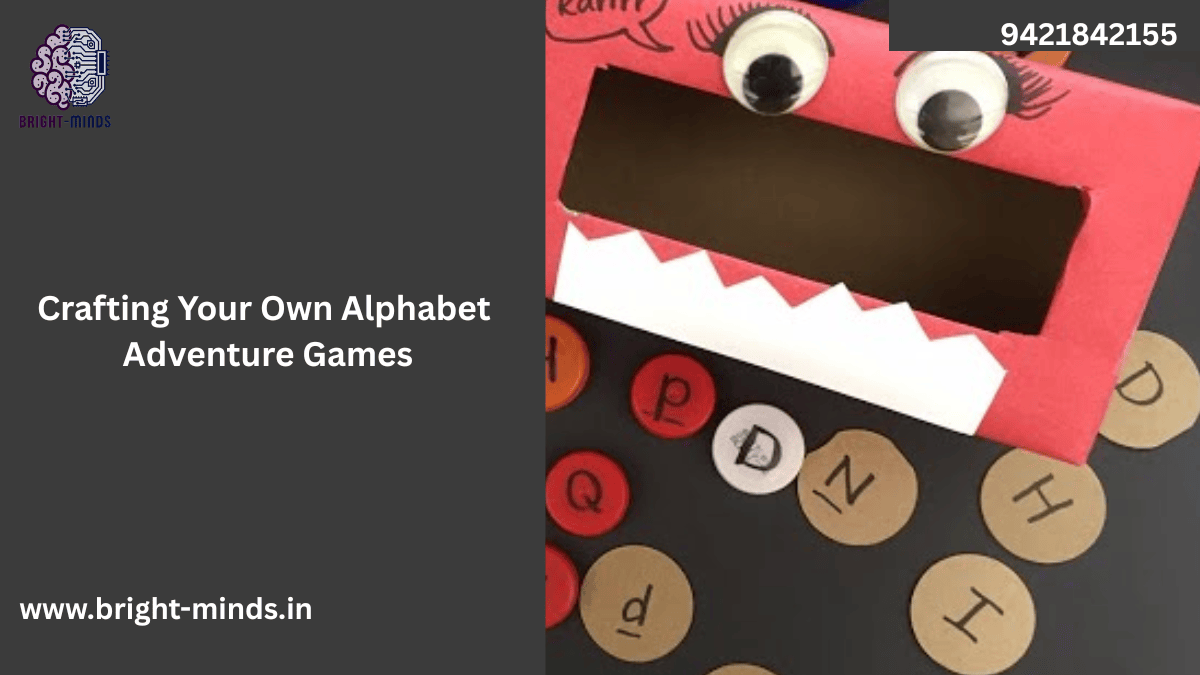
Crafting Your Own Alphabet Adventure Games
Introduction
Early literacy begins with familiarity and comfort with letters, sounds, and word formation. While traditional worksheets and memorization exercises have their place, playful engagement often produces deeper and more lasting learning outcomes. Crafting your own alphabet adventure games transforms the process of learning letters into an exciting exploration that encourages imagination, movement, and curiosity. When children interact with alphabets through games they help create, they develop stronger connections with language while building confidence in their abilities.
Alphabet adventure games combine creativity with purposeful learning. These activities encourage children to recognize letter shapes, associate sounds, and apply vocabulary in dynamic contexts. Rather than viewing literacy as a rigid task, children experience it as an enjoyable challenge that rewards curiosity and discovery. This article provides practical insights into designing alphabet adventure games at home or in classrooms, demonstrating how interactive play nurtures language development and problem solving skills.
Understanding the Value of Game Based Alphabet Learning
Making Letters Meaningful
Children grasp concepts more effectively when they relate to real experiences. Alphabet adventure games introduce letters through stories, objects, and movement, making them meaningful and memorable.
For example, searching for items beginning with specific letters during a scavenger activity helps children connect sounds with real world references. This experiential learning strengthens retention and comprehension.
Supporting Cognitive Development
Game based learning stimulates attention, reasoning, and memory. As children participate in alphabet challenges, they practice identifying patterns and recalling information. These cognitive processes contribute to academic readiness and analytical thinking.
Engaging multiple senses through tactile or visual activities enhances understanding by providing varied learning pathways that reinforce recognition.
Encouraging Social Interaction
Alphabet adventure games often involve collaboration and communication. Whether played with peers or family members, these activities promote conversation and teamwork.
Through cooperative tasks such as forming words together, children improve listening skills and emotional awareness while reinforcing language acquisition.
Planning Your Alphabet Adventure Games
Identifying Learning Goals
Effective games begin with clear objectives. Determining whether the focus is letter recognition, sound association, or vocabulary building guides activity design.
Parents and educators can adjust complexity based on developmental stage, ensuring challenges remain achievable yet stimulating.
Gathering Materials
Creative resources need not be expensive. Everyday items like paper cards, markers, or recycled containers serve as versatile tools for constructing games.
Using familiar materials encourages resourcefulness and demonstrates that learning opportunities exist within ordinary surroundings.
Creating a Safe and Flexible Environment
Designating a comfortable space for play ensures focus and enjoyment. Organizing materials within reach allows children to participate actively in setup and cleanup.
Flexibility in rules encourages experimentation, allowing children to adapt games and develop problem solving abilities.
Types of Alphabet Adventure Games
Treasure Hunt Adventures
Treasure hunts transform letter recognition into active exploration. Parents hide objects or clues around a room and provide prompts based on alphabet sounds.
Children locate items associated with specific letters, reinforcing phonetic understanding while engaging physical movement and curiosity.
Story Building Challenges
Story based games encourage imagination and language development. Participants draw random letters and incorporate them into narratives.
This approach strengthens vocabulary and storytelling skills while demonstrating the versatility of alphabet application in communication.
Craft and Construction Activities
Creating alphabet themed crafts blends artistic expression with literacy practice. Children design letter shapes using clay or collage materials.
Hands on interaction with letter forms improves recognition and fine motor coordination while enhancing creativity.
Role Play Missions
Role playing transforms learning into immersive experiences. Children assume characters tasked with solving alphabet related puzzles or decoding messages.
Such activities combine emotional engagement with educational objectives, fostering motivation and deeper comprehension.
Practical Steps to Craft Engaging Games
Involving Children in Design
Inviting children to contribute ideas encourages ownership and creativity. Their suggestions may inspire unique challenges that align with interests.
Collaborative planning strengthens communication and reinforces enthusiasm for participation.
Incorporating Movement
Physical activity energizes learning experiences. Integrating jumping, running, or sorting tasks into alphabet games improves engagement and health.
For example, children might hop between letter markers arranged on the floor while spelling simple words.
Using Positive Reinforcement
Celebrating achievements motivates continued effort. Recognition of progress builds confidence and resilience.
Simple acknowledgments such as displaying completed tasks or sharing praise reinforce positive associations with learning.
Adapting Difficulty Levels
Adjusting complexity maintains challenge without causing frustration. Introducing additional letters or timed challenges keeps activities stimulating.
Continuous adaptation ensures sustained development and prevents monotony.
Real Life Examples of Alphabet Adventure Success
Home Learning Transformation
A parent introduced a weekly alphabet quest where children searched for themed objects linked to letters. Over time, participants demonstrated improved recognition and enthusiasm for reading activities.
Classroom Collaboration
Educators organized group alphabet construction projects using recycled materials. Students displayed enhanced cooperation and creativity while mastering letter identification.
Community Activity Programs
Local learning groups hosted outdoor alphabet trails where children identified letters along walking paths. Engagement and retention improved through shared exploration.
Overcoming Challenges in Implementation
Addressing Short Attention Spans
Introducing variety and shorter sessions helps maintain interest. Alternating between creative and active tasks prevents fatigue.
Observing responses and adjusting pacing ensures continued participation.
Managing Resource Limitations
Resourcefulness enables effective learning regardless of budget constraints. Repurposing everyday items supports meaningful engagement without financial strain.
Creative reuse also models environmental awareness and innovation.
Encouraging Participation
Some children may initially hesitate. Gentle encouragement and inclusive planning foster comfort and willingness.
Patience and empathy create supportive environments where exploration feels safe and enjoyable.
Long Term Benefits of Alphabet Adventure Games
Engaging in interactive alphabet experiences contributes to comprehensive development. Children cultivate literacy skills alongside creativity and collaboration.
These games also strengthen family or peer connections through shared activities. Positive experiences associated with language learning inspire continued academic enthusiasm.
Over time, children approach reading and writing with confidence and curiosity shaped by joyful early experiences.
Conclusion
Crafting your own alphabet adventure games transforms literacy development into an imaginative and meaningful journey. By combining creativity, movement, and collaboration, parents and educators nurture curiosity while reinforcing essential language skills.
Through thoughtful planning and enthusiastic participation, simple materials become tools for exploration that inspire confidence and growth. Integrating these playful experiences into daily routines lays a foundation for lifelong learning and appreciation of language.
You may also like this:-
Free Online Educational Games for Kids
Why Should Kids Play Online Math Games