
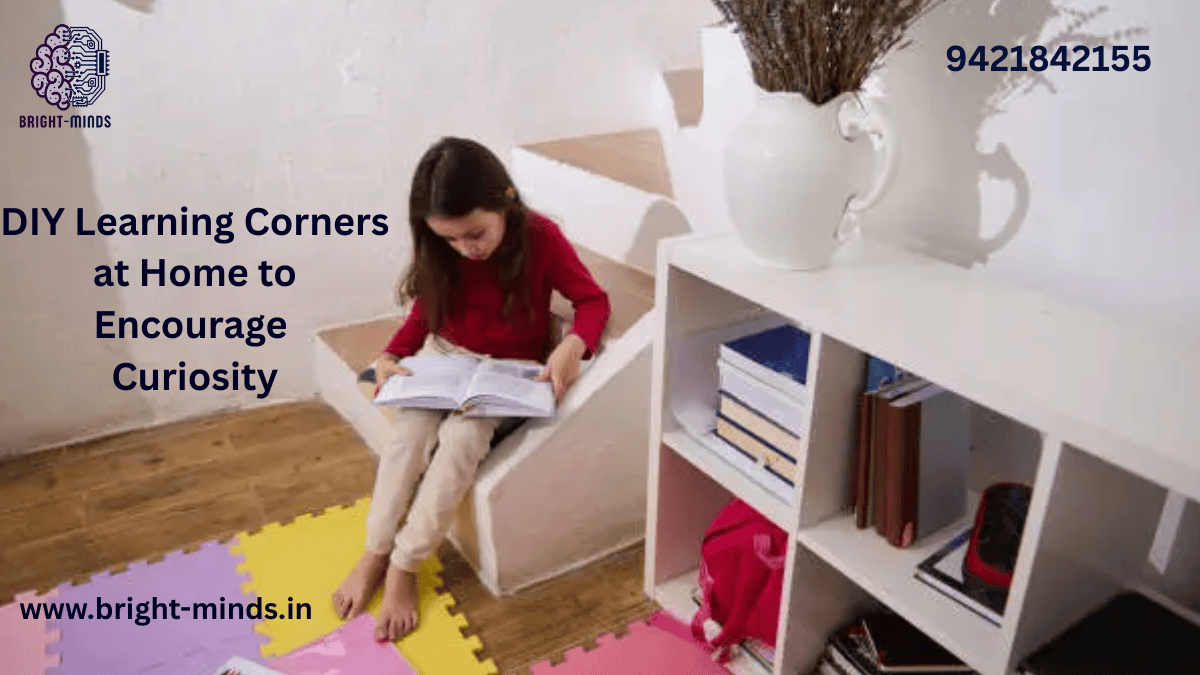
Children thrive in environments that invite exploration, creativity, and independent discovery. While structured classrooms provide academic foundations, the home environment plays an equally important role in shaping curiosity and lifelong learning habits. Creating do it yourself learning corners at home is one of the most effective ways to nurture a child’s natural desire to ask questions, experiment, and engage with ideas. A thoughtfully designed space dedicated to learning encourages focus, imagination, and confidence, transforming everyday surroundings into powerful educational tools.
Learning corners do not require expensive furniture or elaborate setups. With simple planning and a clear understanding of your child’s interests, any corner of a room can become a stimulating hub of exploration. Whether it is a reading nook filled with colorful books or a hands on science table with recycled materials, these small dedicated areas signal to children that learning is enjoyable and self driven. This article explores how parents and caregivers can create meaningful learning corners that spark curiosity while supporting cognitive, emotional, and academic development.
Understanding the Purpose of Learning Corners
Encouraging Independent Exploration
A learning corner provides children with ownership over their educational experiences. When they know they have a dedicated space to investigate ideas, they feel empowered to make choices about how they spend their time. This independence fosters problem solving skills and intrinsic motivation.
For example, a child who has access to puzzles and building materials may experiment with structures or patterns without prompting. Through this process, they develop logical thinking and resilience when facing challenges.
Supporting Focus and Routine
Consistency plays a vital role in childhood learning. Having a designated corner for educational activities helps establish routine and minimizes distractions. Children associate the space with exploration and concentration, improving their ability to engage deeply with tasks.
Over time, returning to the same environment builds comfort and familiarity. This sense of stability supports emotional well being and encourages sustained attention during learning activities.
Nurturing Creativity and Imagination
Creative freedom is essential for curiosity. Learning corners that include art materials, storytelling props, or construction tools inspire imaginative thinking. These experiences allow children to express ideas in unique ways and discover new perspectives.
A simple corner stocked with drawing supplies and recycled craft items can lead to storytelling projects or design experiments that stimulate creative expression and confidence.
Planning the Ideal Learning Corner
Choosing the Right Location
Selecting a quiet and accessible area in the home ensures the learning corner remains inviting and practical. It does not need to be large. A small section near natural light or a cozy part of a living room can work effectively.
Parents should consider minimizing noise and visual distractions. A clutter free environment promotes calmness and helps children maintain concentration during activities.
Adapting to Age and Interests
Each child’s learning needs differ depending on age and curiosity levels. Younger children may benefit from sensory toys and picture books, while older learners might prefer science kits or writing journals. Observing their interests helps shape a corner that remains engaging and relevant.
Regular updates keep the space fresh and stimulating. Rotating materials based on evolving interests prevents boredom and encourages renewed enthusiasm.
Using Budget Friendly Materials
Creating an enriching learning corner does not require significant financial investment. Everyday household items can serve educational purposes. Cardboard boxes become building tools, jars store craft supplies, and recycled paper supports drawing practice.
By modeling resourcefulness, parents demonstrate sustainability and creativity. Children learn to value innovation over consumption while still enjoying meaningful learning experiences.
Types of DIY Learning Corners
Reading and Storytelling Corner
A reading focused corner encourages language development and imagination. Soft cushions, accessible shelves, and well chosen books create a welcoming environment that motivates children to explore stories independently.
Adding puppets or story cards enhances engagement by allowing children to act out narratives. This interactive approach strengthens comprehension and communication skills while building confidence in expression.
Art and Creativity Corner
Providing art materials such as crayons, paints, and clay fosters self expression and fine motor development. A designated creative space signals that experimentation and originality are valued.
Displaying completed artwork boosts self esteem and encourages continued participation. Parents might include recycled materials for collage making or crafting projects that combine learning with environmental awareness.
Science and Exploration Corner
A science themed corner promotes observation and inquiry. Magnifying glasses, measuring cups, and simple experiment kits inspire children to investigate natural phenomena.
Real world examples include growing plants in small containers or observing changes in water states. These hands on activities develop analytical thinking and introduce scientific concepts through direct experience.
Math and Puzzle Corner
Logical reasoning grows through interaction with numbers and patterns. Incorporating counting tools, shape sorters, or board games strengthens mathematical understanding.
Parents can include building blocks for exploring geometry or simple card games that practice arithmetic skills. Regular engagement builds familiarity with numerical relationships in an enjoyable format.
Writing and Reflection Corner
Encouraging journaling or storytelling nurtures literacy and emotional expression. A quiet corner equipped with notebooks and writing tools allows children to document thoughts and ideas freely.
Providing prompts or themed activities can inspire creativity while reinforcing language development. This practice also helps children reflect on experiences and articulate feelings effectively.
Practical Steps to Set Up a Learning Corner
Decluttering and Organizing
Before setting up materials, clearing the chosen area ensures functionality and comfort. Organized storage using baskets or labeled containers makes resources accessible and encourages responsibility in maintaining order.
Children who participate in organizing their space develop ownership and accountability, reinforcing positive habits.
Creating Visual Appeal
Bright colors, charts, or inspirational displays make the corner inviting. Visual elements stimulate curiosity and enhance memory retention by associating learning with enjoyment.
For example, displaying alphabet posters or number charts provides constant passive reinforcement of foundational skills.
Establishing Ground Rules
While freedom is important, guidelines maintain productivity. Setting expectations about tidying up or respecting materials ensures the corner remains functional and welcoming.
Consistent reinforcement of these rules teaches responsibility and respect for shared spaces.
Real Life Examples of DIY Learning Corners
Urban Apartment Setup
In a compact apartment setting, one family transformed a window side nook into a learning hub. Using foldable furniture and stackable storage, they created a reading and craft area that adapted to changing needs. Their child began spending more time exploring books and artistic projects independently.
Multi Child Household Approach
Another household divided a shared room into themed sections. Each child contributed ideas for decorating their corner, creating a sense of belonging and individuality. This collaborative approach improved engagement and reduced conflicts over resources.
Weekend Rotation System
Some parents introduce rotating themes each weekend. A science focus one week might shift to storytelling the next. This dynamic arrangement maintains novelty and ensures exposure to diverse learning experiences.
Maintaining and Evolving the Space
Observing Engagement Levels
Monitoring how often children use the corner provides insight into its effectiveness. Lack of interaction may signal the need for updated materials or rearranged layouts.
Parents who remain attentive to feedback ensure the space continues meeting developmental needs.
Encouraging Participation in Updates
Involving children in redesign decisions strengthens ownership. Allowing them to select new materials or decorations reinforces creativity and collaboration.
This process teaches planning skills and builds confidence in decision making.
Celebrating Achievements
Displaying completed projects or milestones validates effort and dedication. Recognition encourages continued exploration and reinforces positive learning behaviors.
Benefits Beyond Academic Growth
Learning corners cultivate more than knowledge acquisition. They nurture discipline, patience, and curiosity. Children who regularly engage in self directed exploration often demonstrate improved problem solving and communication abilities.
Additionally, these spaces foster family bonding when parents participate in activities. Shared experiences strengthen relationships and create lasting memories associated with discovery and achievement.
Conclusion
Creating do it yourself learning corners at home offers a practical and rewarding approach to encouraging curiosity and independence in children. By dedicating thoughtful spaces to exploration, families transform ordinary environments into platforms for growth and creativity. From reading and art to science and mathematics, each corner becomes an invitation to discover and experiment.
Through consistent engagement, observation, and adaptation, parents and caregivers can ensure these spaces remain vibrant and inspiring. The effort invested in designing a learning friendly home environment pays lasting dividends by nurturing confident learners prepared to explore the world with enthusiasm and curiosity.
You may also like this:-
Free Online Educational Games for Kids
Why Should Kids Play Online Math Games