
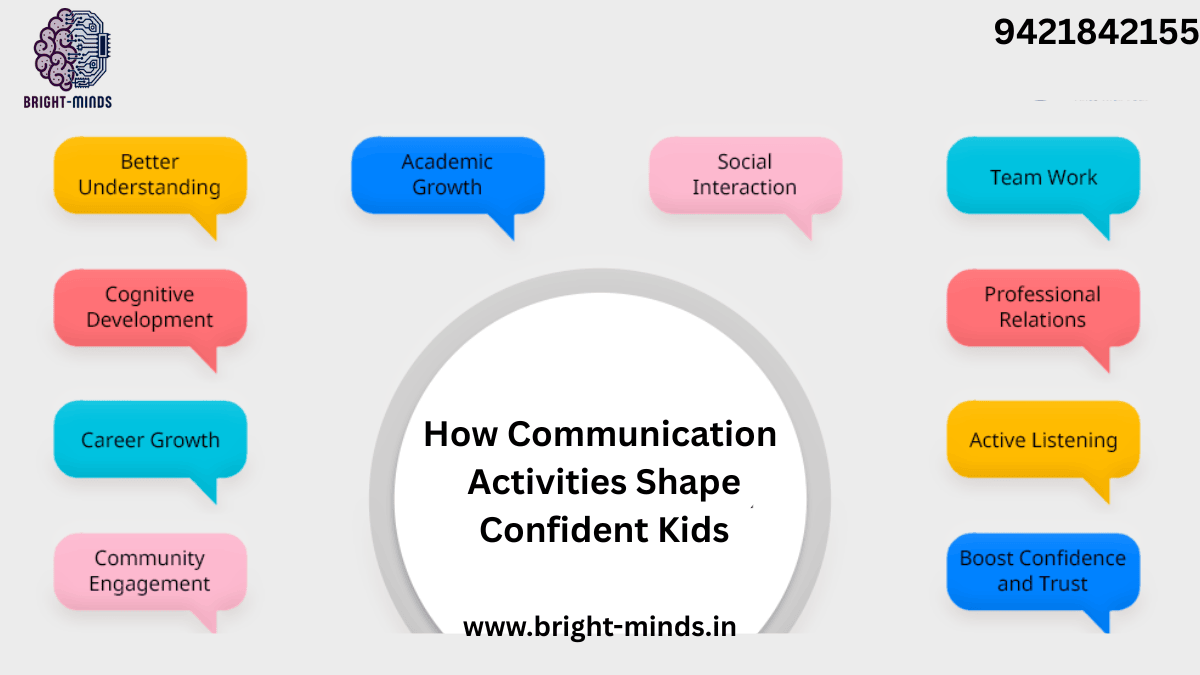
In today’s fast-moving world, confidence is no longer a “nice-to-have” skill for children—it is a necessity. While academic marks still matter, the ability to speak clearly, express ideas, listen actively, and interact confidently plays a much bigger role in a child’s long-term success. This is where communication activities for kids become incredibly powerful.
Many parents and educators notice that some children hesitate to speak, fear making mistakes, or avoid group interactions. These challenges are not signs of weakness. They simply indicate a lack of structured communication practice. With the right communication activities for kids, even shy or introverted children can gradually transform into confident speakers and thinkers.
Why Communication Skills Matter More Than Ever
Communication skills shape how children think, learn, and connect with others. In classrooms, children who communicate well ask better questions, understand concepts faster, and participate actively. Outside school, these skills influence friendships, emotional intelligence, and leadership ability.
Modern workplaces value communication as much as technical knowledge. Employers today consistently rank communication, collaboration, and confidence among the top skills required for success. Introducing communication activities for kids at an early age prepares them for this reality long before they enter professional life.
What Are Communication Activities for Kids?
Communication activities for kids are structured, age-appropriate exercises designed to improve speaking, listening, vocabulary, body language, and emotional expression. These activities go beyond textbook learning and focus on real-world interaction.
They can be simple, fun, and playful—yet deeply impactful. Examples include storytelling, role-play, group discussions, show-and-tell sessions, and interactive games. The goal is not perfection, but participation and progress.
How Communication Activities Build Confidence
Confidence does not appear overnight. It grows through repeated positive experiences. Communication activities for kids create safe environments where children feel heard, respected, and encouraged to express themselves.
When children speak and receive supportive feedback, their fear of judgment reduces. Over time, they begin trusting their voice. This confidence spills into academics, social situations, and personal decision-making.
Storytelling as a Confidence Booster
Storytelling is one of the most effective communication activities for kids. When children narrate stories—real or imaginary—they organize thoughts, use descriptive language, and speak with clarity.
For younger kids, picture-based storytelling works well. Older children can create short stories or narrate personal experiences. This activity strengthens imagination while building verbal confidence naturally.
Role Play and Real-Life Scenarios
Role play allows children to practice communication in real-world situations without pressure. Acting as a teacher, shopkeeper, doctor, or team leader helps kids understand tone, expressions, and responses.
These communication activities for kids are especially helpful for preparing children for public speaking, interviews, or group interactions. They also teach empathy by encouraging children to see situations from different perspectives.
Group Discussions and Listening Skills
Communication is not just about speaking; listening is equally important. Group discussions teach kids how to wait for their turn, respect opinions, and respond thoughtfully.
Simple discussion topics like favorite hobbies, recent experiences, or moral stories encourage participation. Over time, children learn how to express disagreement politely and confidently.
Show and Tell Activities
Show and tell remains a classic among communication activities for kids because it combines preparation, presentation, and confidence. When children present an object or idea to a group, they practice structure and clarity.
This activity also reduces stage fear. The more often children speak in front of others, the more comfortable they become with attention and feedback.
Communication Activities for Shy or Introverted Kids
Shy children often need gentle encouragement rather than pressure. One-on-one communication activities for kids work best in the beginning. Reading aloud, guided conversations, and simple question-answer sessions build comfort.
Gradually introducing small group activities helps shy kids gain confidence at their own pace. The key is consistency and positive reinforcement, not comparison.
How Communication Activities Support Academic Growth
Strong communication skills directly improve academic performance. Children who articulate questions clearly understand lessons better. They write more structured answers and participate actively in class.
Communication activities for kids also strengthen vocabulary, grammar, and comprehension—skills essential for language subjects and beyond.
Digital Age and Communication Skills
In a world dominated by screens, children often communicate more through devices than face-to-face. This makes intentional communication activities for kids even more important.
Offline activities that encourage eye contact, expressions, and conversation balance digital exposure and strengthen real-world interaction skills. Even online learning platforms now emphasize verbal interaction, presentations, and collaborative tasks.
Role of Parents and Educators
Parents and educators play a critical role in shaping communication confidence. Simple daily conversations, asking open-ended questions, and encouraging expression at home make a big difference.
Schools and training centers that integrate communication activities for kids into their curriculum prepare children not just for exams, but for life.
Current Trends in Communication Learning
Modern education focuses on holistic development. Communication-based learning, activity-driven classrooms, and skill-based education are becoming global trends.
Organizations now invest in early communication training because they recognize its long-term impact on leadership, teamwork, and emotional intelligence.
Long-Term Impact of Communication Activities
Children who grow up practicing communication activities develop self-belief. They speak up, share ideas, and handle challenges calmly. These qualities shape confident teenagers and capable adults.
Communication confidence also improves mental well-being. Children feel valued when they are heard, reducing anxiety and self-doubt.
Final Thoughts
Confidence is not inherited—it is built. Communication activities for kids provide the foundation for strong expression, clarity of thought, and emotional strength. Whether at home, school, or learning centers, consistent communication practice transforms how children see themselves and the world around them.
Also Read:
https://bright-minds.in/unlocking-word-meaning-for-class-ukg-english-to-hindi/