
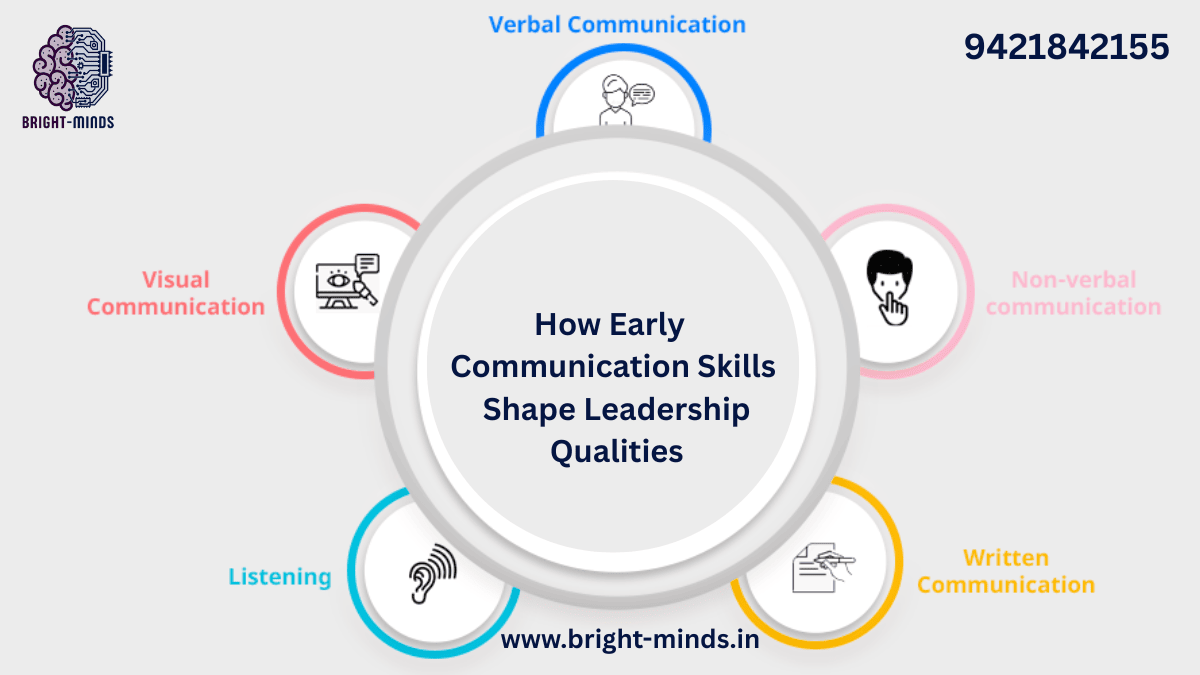
Leadership is often seen as a skill developed in boardrooms, colleges, or corporate training programs. However, the truth is much simpler and more powerful—leadership begins far earlier, often in childhood. The way children learn to express themselves, listen to others, and share ideas plays a critical role in shaping their future leadership abilities.
Early communication skills and leadership are deeply connected. From speaking confidently in class to resolving conflicts with friends, communication forms the backbone of leadership behavior. These skills do not appear overnight; they are nurtured through daily interactions, guidance, and real-world experiences.
In this blog, we will explore how early communication skills shape leadership qualities, why they matter for both children and working professionals, and how parents, educators, and organizations can support this development in meaningful ways.
Understanding Early Communication Skills
Early communication skills refer to a child’s ability to express thoughts, emotions, and ideas clearly while also understanding others. These skills go beyond just speaking and include listening, body language, tone, vocabulary, and emotional expression.
Key elements of early communication include:
• Clear verbal expression
• Active listening
• Asking questions
• Understanding emotions
• Non-verbal communication like gestures and eye contact
When children learn to communicate effectively, they gain confidence in expressing themselves. This confidence becomes the foundation for leadership later in life.
What Makes a Good Leader?
Leadership is not just about giving instructions or holding authority. True leaders inspire trust, motivate others, and guide teams toward shared goals. Strong leaders are effective communicators first.
Core leadership qualities include:
• Confidence
• Decision-making ability
• Empathy
• Team collaboration
• Conflict resolution
• Influence and persuasion
Each of these traits relies heavily on communication. Without the ability to articulate ideas clearly or understand others, leadership becomes ineffective.
The Link Between Early Communication Skills and Leadership
The connection between early communication skills and leadership is both natural and powerful. Children who communicate well are more likely to take initiative, participate in group activities, and influence peers positively.
For example, a child who confidently shares ideas during group projects often becomes a natural leader. Similarly, children who listen attentively and respond thoughtfully gain trust and respect from others—an essential leadership trait.
Over time, these early habits shape how individuals perform in professional environments, manage teams, and handle responsibility.
How Communication Builds Confidence in Leaders
Confidence is one of the most visible leadership qualities, and it starts with communication. When children are encouraged to speak freely without fear of judgment, they develop self-assurance.
Simple experiences such as storytelling, classroom discussions, or role-play activities help children overcome hesitation. As confidence grows, so does their willingness to lead.
In adulthood, professionals with strong communication backgrounds are more comfortable presenting ideas, speaking in meetings, and engaging stakeholders—key aspects of leadership success.
Listening Skills: The Hidden Leadership Superpower
Many people associate leadership with speaking, but listening is equally important. Early communication skills teach children how to listen actively and respond thoughtfully.
Leaders who listen well:
• Understand team concerns
• Build stronger relationships
• Make informed decisions
• Resolve conflicts faster
Children who learn active listening develop empathy and emotional intelligence, both of which are essential for modern leadership roles.
Emotional Intelligence Starts with Communication
Emotional intelligence is a critical leadership skill in today’s workplace. It involves recognizing emotions, managing reactions, and understanding others’ feelings.
Early communication helps children label emotions, express feelings calmly, and understand different perspectives. These abilities later translate into leaders who can manage stress, motivate teams, and create positive work cultures.
Companies today value emotionally intelligent leaders more than ever, making early communication skills a long-term professional advantage.
Real-World Example: From Classroom to Boardroom
Consider a child who regularly participates in class discussions, explains ideas clearly, and collaborates well with classmates. Over time, this child learns how to persuade, negotiate, and lead.
Fast forward to adulthood, and these same skills are visible in managers who lead meetings effectively, resolve team conflicts, and communicate company vision clearly.
This progression highlights how early communication skills and leadership development are not separate journeys, but one continuous path
The Role of Parents and Teachers
Parents and educators play a crucial role in developing early communication skills. Everyday interactions can become leadership-building moments.
Effective strategies include:
• Encouraging open conversations at home
• Allowing children to express opinions
• Reading and storytelling activities
• Group discussions and debates
• Constructive feedback instead of criticism
When children feel heard and respected, they naturally develop leadership-oriented communication habits.
Why Companies Care About Early Communication Skills
Organizations increasingly recognize that leadership training starts long before employment. Many corporate learning programs now focus on communication, collaboration, and emotional intelligence.
Employees with strong foundational communication skills:
• Adapt faster to leadership roles
• Communicate across teams effectively
• Handle conflict professionally
• Inspire trust and loyalty
This is why schools, parents, and training institutions are focusing more on communication-led learning models.
Current Industry Trends in Leadership Development
Modern leadership emphasizes people skills over authority. Trends shaping leadership today include:
• Soft skills-based hiring
• Emotional intelligence training
• Collaborative leadership models
• Communication-focused leadership coaching
These trends highlight how early communication skills remain relevant throughout a leader’s career, from school to senior management.
How to Strengthen Early Communication Skills
For children and beginners, communication can be strengthened through consistent practice and supportive environments.
Practical steps include:
• Daily conversations without distractions
• Encouraging questions and curiosity
• Public speaking activities
• Group problem-solving tasks
• Storytelling and role play
For employees, workshops, mentoring, and communication training help reinforce these skills at a professional level.
Long-Term Impact of Early Communication on Leadership
The benefits of early communication skills extend far beyond childhood. They influence academic success, career growth, and leadership effectiveness.
Individuals who develop strong communication early tend to:
• Lead with confidence
• Build strong professional relationships
• Adapt to change easily
• Inspire teams naturally
This makes early communication not just a skill, but a lifelong leadership asset.
Conclusion
Early communication skills and leadership are inseparable. The way individuals learn to speak, listen, and connect in their early years shapes how they lead later in life. Whether in classrooms, homes, or workplaces, communication lays the foundation for confident, empathetic, and effective leaders.
By nurturing communication skills early, we are not just helping children speak better—we are shaping the leaders of tomorrow.
You may also like this:-