
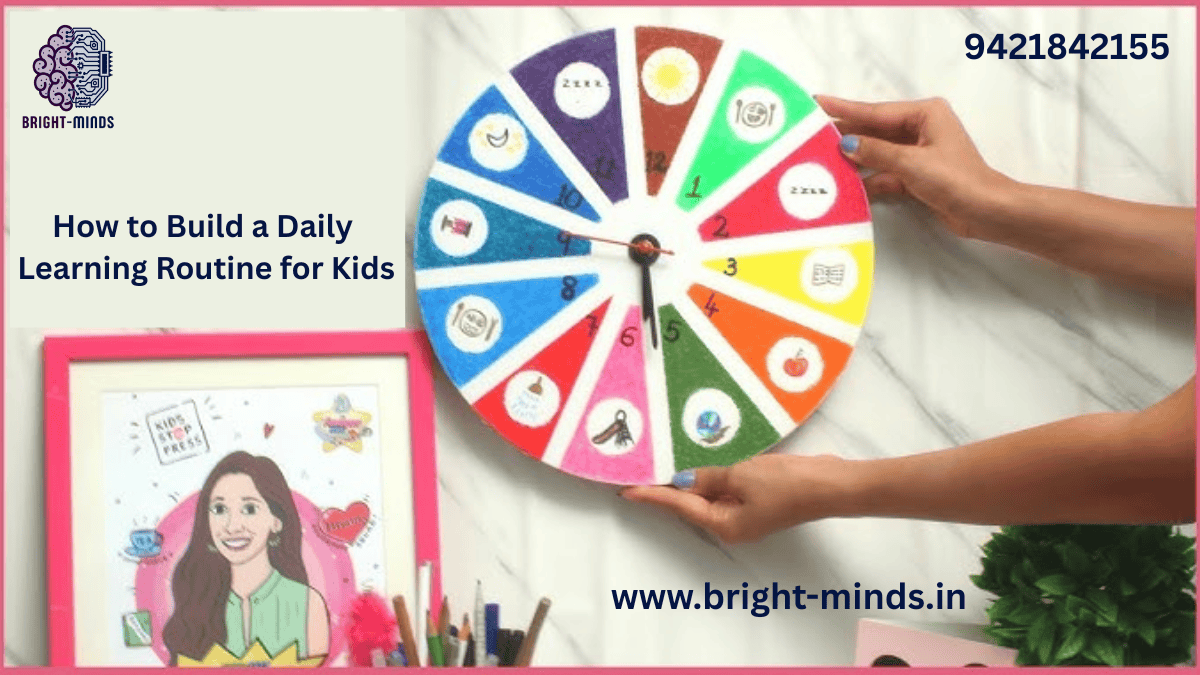
How to Build a Daily Learning Routine for Kids
In today’s fast-moving world, children are surrounded by distractions—screens, games, and endless entertainment. While these can be enjoyable, they often make it difficult for kids to focus on learning consistently. This is why building a daily learning routine for kids has become more important than ever.
A daily routine does not mean strict rules or pressure. Instead, it provides structure, comfort, and clarity. When children know what to expect each day, they feel secure, confident, and more willing to learn. The same principle applies in workplaces, which is why even company employees benefit from structured learning routines during skill development programs.
In this guide, you’ll learn how to create a simple, flexible, and effective daily learning routine for kids that works in real life.
Why a Daily Learning Routine for Kids Matters
Children thrive on consistency. A daily learning routine helps them understand when it is time to study, play, rest, and explore creativity.
Without a routine, learning becomes irregular. One day a child studies for hours, and the next day they avoid books completely. Over time, this inconsistency affects concentration, discipline, and confidence.
A well-planned daily learning routine for kids:
• Improves focus and attention span
• Builds self-discipline naturally
• Reduces stress and resistance to learning
• Encourages independent study habits
These habits later translate into professional skills such as time management and responsibility.
Understanding How Kids Learn Best
Before building a routine, it is important to understand how children learn. Kids learn best in short, engaging sessions rather than long, forced study hours.
Their energy levels fluctuate throughout the day. Mornings are often ideal for reading and problem-solving, while afternoons suit creative activities. Evenings are best for revision or storytelling.
A good daily learning routine for kids respects these natural rhythms instead of fighting them.
Step One: Set Clear Learning Goals
Every routine needs a purpose. Start by defining what you want your child to achieve.
Goals should be age-appropriate and realistic. For example:
• Reading for 20 minutes daily
• Practicing basic math skills
• Improving handwriting or spelling
• Learning one new concept each day
Clear goals give direction to the daily learning routine for kids and help parents track progress without pressure.
Step Two: Create a Fixed Time Schedule
Consistency is the backbone of any routine. Choose fixed times for learning each day, even if the duration is short.
For younger kids, 30 to 60 minutes of focused learning is enough. For older children, sessions can be divided into blocks with breaks in between.
A predictable schedule trains the brain to switch into “learning mode” automatically. This is the same strategy used in corporate training programs to improve productivity.
Step Three: Balance Study, Play, and Rest
One common mistake parents make is overloading children with study time. Learning is most effective when balanced with play and rest.
A healthy daily learning routine for kids includes:
• Academic learning
• Physical activity
• Creative play
• Free time
Play is not a distraction—it strengthens memory, creativity, and problem-solving skills.
Step Four: Design a Simple Learning Environment
The learning environment has a powerful impact on focus. A dedicated study space signals the brain that it is time to learn.
This space does not need to be fancy. A small table, good lighting, and minimal distractions are enough. Keep learning materials organized and easily accessible.
A clutter-free environment supports a smoother daily learning routine for kids and reduces excuses to avoid study time.
Step Five: Mix Learning Activities
Monotony kills motivation. Instead of repeating the same method every day, mix activities to keep learning fresh.
You can include:
• Reading books and stories
• Writing practice
• Educational games
• Audio or video learning
• Hands-on activities
This approach reflects modern learning trends where engagement matters more than memorization.
How Routine Builds Confidence in Kids
Confidence grows when children experience small, consistent wins. Completing daily tasks successfully gives them a sense of achievement.
Over time, kids begin to trust their ability to learn independently. This confidence carries into school, exams, and social interactions.
A daily learning routine for kids also reduces anxiety because children know what is expected of them.
Real-World Example: Routine at Home and Work
Think about professional life. Employees follow schedules, attend meetings, and complete tasks daily. This structure improves efficiency.
Similarly, when kids follow a daily learning routine, they develop life skills early—time management, accountability, and self-motivation.
Learning routines prepare children not just for exams, but for life.
Current Trends in Child Learning Routines
Modern education emphasizes routine-based learning supported by flexibility and technology.
Current trends include:
• Micro-learning sessions
• Gamified learning apps
• Habit-based education models
• Parent-guided home routines
These trends show that structured routines, not rigid pressure, produce better learning outcomes.
Common Mistakes to Avoid
While building a daily learning routine for kids, avoid these mistakes:
• Overloading the schedule
• Comparing one child to another
• Ignoring breaks and playtime
• Being inconsistent
Remember, the goal is progress, not perfection.
How Parents and Educators Can Stay Consistent
Consistency starts with adults. Parents and teachers should model discipline and curiosity.
Celebrate effort rather than results. Encourage questions and curiosity. Adjust the routine as the child grows.
A routine that evolves stays effective.
Long-Term Benefits of a Daily Learning Routine
Children who grow up with structured routines:
• Learn faster
• Adapt better to change
• Show higher confidence
• Develop lifelong learning habits
These benefits extend into higher education and professional careers.
Conclusion: Small Daily Steps Create Big Results
Building a daily learning routine for kids does not require expensive tools or strict rules. It requires intention, consistency, and empathy.
When learning becomes part of everyday life, children stop seeing it as a burden and start seeing it as a habit.
Small daily steps create confident learners for the future.