
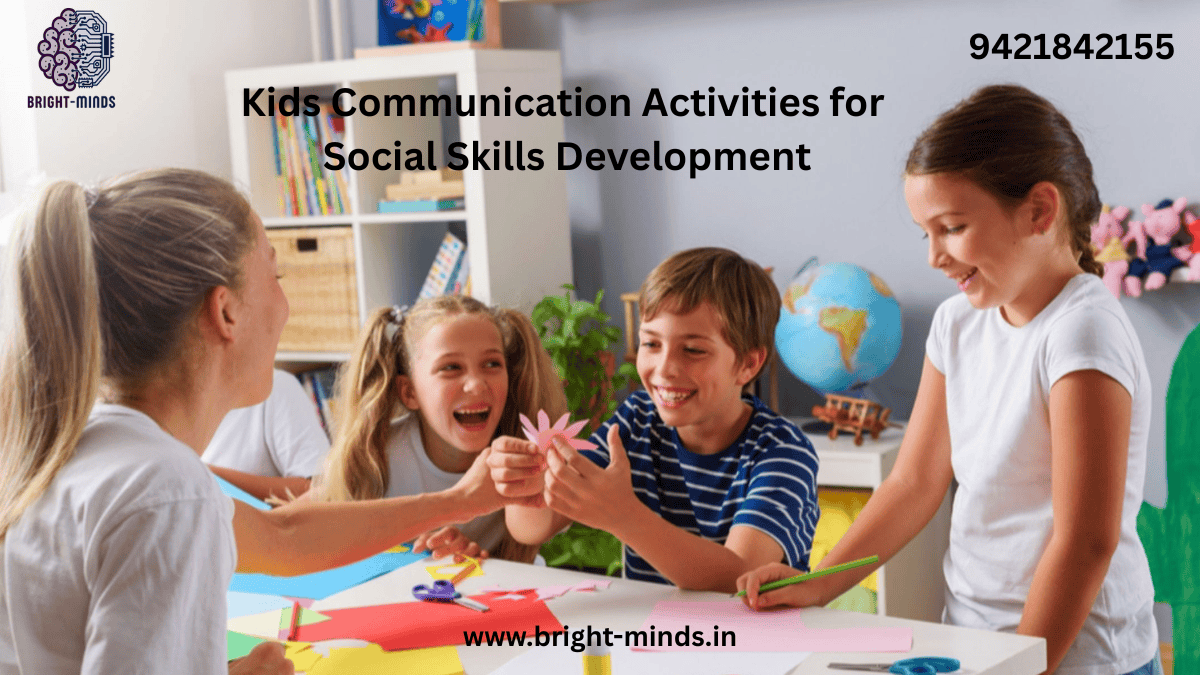
In today’s fast-changing world, children need more than academic knowledge to succeed. Social skills like listening, speaking clearly, understanding emotions, and working with others play a vital role in a child’s overall development. These skills do not appear overnight. They are learned, practiced, and strengthened through everyday interactions and structured learning experiences.
Kids communication activities for social skills provide a safe and engaging way for children to learn how to express themselves, understand others, and build meaningful relationships. Whether at home, in school, or in after-school programs, communication-focused activities help children grow into confident and socially aware individuals.
This blog explores how simple communication activities can shape a child’s social skills, using practical examples, real-life situations, and modern learning trends that benefit both parents and educators.
Understanding Social Skills in Children
Social skills are the abilities that help children interact positively with others. These include listening, speaking politely, sharing ideas, understanding emotions, resolving conflicts, and working as part of a group.
When children struggle with social skills, they may feel shy, misunderstood, or left out. On the other hand, children with strong social skills tend to form friendships easily, participate actively in class, and express their thoughts confidently.
Kids communication activities for social skills focus on improving these abilities through guided interaction rather than pressure or correction.
The Role of Communication in Social Development
Communication is the foundation of social interaction. A child who can express thoughts clearly and listen attentively can connect better with peers and adults.
Verbal Communication
This includes speaking clearly, forming sentences, asking questions, and responding appropriately.
Non-Verbal Communication
Body language, facial expressions, eye contact, and tone of voice also play an important role in social understanding.
Emotional Communication
Children learn to express feelings like happiness, frustration, or disappointment using words instead of behavior.
Communication activities help children practice all these aspects in a natural and enjoyable way.
Why Kids Communication Activities Are So Effective
Children learn best by doing. Communication activities turn learning into play, reducing fear and encouraging participation.
Safe Practice Environment
Activities provide a judgment-free space where children can make mistakes and learn.
Encourages Interaction
Children interact with peers, improving cooperation and empathy.
Builds Confidence
Regular practice helps children feel comfortable expressing themselves.
Supports Language Development
Communication activities improve vocabulary, sentence formation, and clarity.
Popular Kids Communication Activities for Social Skills
There are many simple yet powerful activities that help children develop social skills naturally.
Role-Playing Games
Children act out everyday situations like greeting a friend, asking for help, or resolving a disagreement. This prepares them for real-life interactions.
Storytelling Circles
Each child adds a part to a story. This improves listening skills, creativity, and turn-taking.
Show and Tell
Children present an object or idea to the group, building confidence and public speaking skills.
Group Discussions
Simple topic-based discussions teach children how to share opinions respectfully and listen to others.
Emotion Identification Games
Using pictures or stories, children identify emotions and discuss how characters might feel.
Communication Activities at Home
Parents play a crucial role in developing social skills. Daily routines offer many opportunities for communication practice.
Family Conversations
Encourage children to talk about their day without interruption.
Question-Based Games
Ask open-ended questions that require more than yes or no answers.
Story Time Discussions
After reading a story, discuss characters’ actions and emotions.
Role Reversal
Let children play the role of teacher or parent and explain things.
These activities strengthen bonding while improving communication.
Communication Activities in Schools and Learning Centers
Schools and training institutes increasingly recognize the importance of communication skills.
Group Projects
Children learn teamwork, leadership, and problem-solving.
Classroom Presentations
Even short presentations help build confidence.
Peer Interaction Sessions
Structured interaction improves cooperation and respect.
Modern education integrates kids communication activities for social skills as part of holistic learning programs.
How Communication Activities Help Shy or Introverted Children
Not all children express themselves easily. Communication activities are especially helpful for shy or introverted kids.
Small Group Settings
Children feel safer speaking in smaller groups.
Guided Expression
Teachers gently encourage participation without pressure.
Positive Reinforcement
Praise boosts confidence and motivation.
Over time, shy children begin to express themselves more freely.
Social Skills and Emotional Intelligence
Communication activities also support emotional intelligence. Children learn to recognize emotions in themselves and others.
Understanding Feelings
Children learn to name emotions accurately.
Empathy Development
Listening to others builds compassion.
Conflict Resolution
Children learn to express disagreement calmly.
These skills help children navigate friendships and challenges effectively.
Modern Trends in Kids Communication Learning
Education today focuses on skill-based learning rather than rote memorization.
Interactive Learning
Games, storytelling, and group tasks dominate modern classrooms.
Digital Communication Tools
Video storytelling and virtual group discussions enhance learning.
Social-Emotional Learning Programs
Schools integrate communication and emotional skills into the curriculum.
Parent-Teacher Collaboration
Learning continues both at school and at
Benefits for Future Academic and Career Success
Social skills developed in childhood impact long-term success.
Improved Classroom Participation
Children speak confidently and ask questions.
Better Teamwork Skills
Group activities become easier and more productive.
Leadership Development
Clear communication builds leadership qualities.
Stronger Relationships
Children form healthy friendships and professional relationships later in life.
Practical Tips to Encourage Communication Daily
Be a Good Listener
Model active listening behavior.
Encourage Questions
Create a safe space for curiosity.
Limit Screen Time
Promote face-to-face interaction.
Celebrate Effort
Focus on participation, not perfection.
Consistency is key to long-term improvement.
Common Myths About Kids Communication Skills
“Children will learn automatically”
Social skills need guidance and practice.
“Only talkative children have good communication skills”
Listening is equally important.
“Mistakes should be corrected immediately”
Gentle guidance works better than criticism.
Conclusion: Building Social Skills One Conversation at a Time
Kids communication activities for social skills are powerful tools that shape a child’s ability to connect, express, and understand. Through simple, engaging activities, children develop confidence, empathy, and clarity that benefit them throughout life.
When communication becomes part of daily learning, social skills grow naturally. Small conversations today create confident communicators tomorrow.
You may also like this:-