
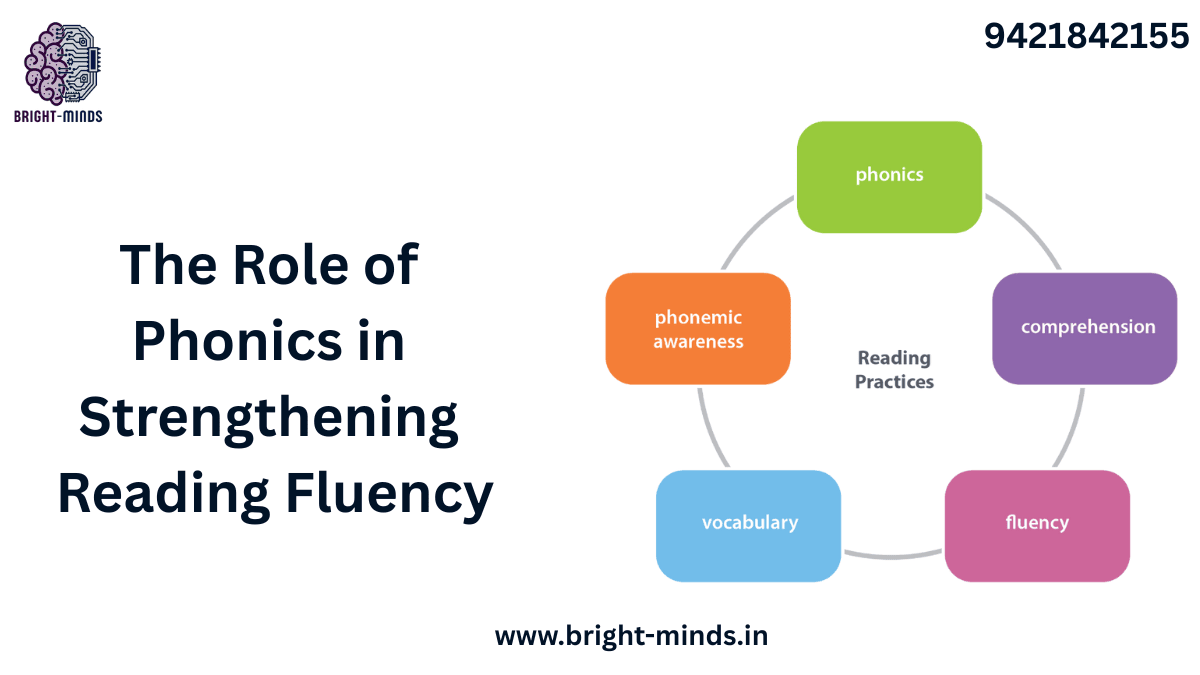
Reading fluency is the foundation of strong literacy skills, and phonics plays an essential role in building it. In today’s education system, both parents and professionals recognize the importance of helping children decode words effectively, allowing them to read with confidence and understanding. That’s where phonics in strengthening reading fluency becomes a powerful and proven method.
Whether you are a parent teaching a child at home, a beginner exploring literacy development, or an employee in the education sector, understanding phonics can make reading easier, faster, and more enjoyable for young learners.
This blog explores what phonics is, why it’s effective, real-life examples, industry insights, and how to apply phonics strategies in your daily teaching or learning routine.
What Is Phonics?
Phonics is a method of teaching reading by connecting letters (graphemes) to the sounds (phonemes) they represent. It helps children understand how words are formed and how each sound blends together.
For example:
- The letter B makes the sound /b/.
- The letters SH together make the sound /sh/.
- The word cat blends /c/ + /a/ + /t/.
When kids learn these relationships, they can decode new words independently—one of the most important skills for building reading fluency.
How Phonics Strengthens Reading Fluency
1. Helps Children Decode Words Easily
Kids learn to sound out words instead of guessing.
For example, they decode “frog” by blending /f/ + /r/ + /o/ + /g/.
2. Builds Speed and Accuracy
When phonics patterns become familiar, children read faster and make fewer mistakes.
3. Improves Reading Comprehension
Fluent reading allows children to focus on understanding the message instead of struggling with each word.
4. Boosts Confidence
Children who decode words easily feel more confident when reading aloud in school or during home practice.
5. Supports Long-Term Learning
Phonics is not just for early readers—adults learning English or improving communication skills also benefit from phonics-based training.
Real-Life Examples of Phonics in Strengthening Reading Fluency
Example 1: Reading Simple Words
Children learn early patterns like:
- CVC words: cat, map, sit
- Blends: star, frog, clap
- Digraphs: ship, think, photo
Example 2: Understanding Word Families
When a child learns “-at”, they can quickly read:
cat, bat, rat, hat
Example 3: Moving from Words to Sentences
Using phonics, kids begin reading sentences smoothly:
- “The dog is on the mat.”
- “She can jump and run.”
Example 4: Workplace Applications
Training departments in companies often use phonics to support communication skill development for employees learning English pronunciation, spelling, and clarity.
Why Phonics Is Trending in Modern Education
- EdTech apps include phonics-based stories and sound recognition games.
- Schools adopt structured phonics programs to improve reading results.
- AI-powered reading tools highlight mispronounced words and provide phonics-based corrections.
- Corporate training modules use phonics to improve spoken English and presentation skills.
The rise of digital learning has brought renewed emphasis on phonics. Current industry trends show:
Phonics is no longer limited to early childhood learning—it’s a multi-level strategy embraced in both academic and professional settings.
Practical Ways to Teach Phonics Daily
1. Use Sound-Based Activities
Encourage children to clap for each sound in a word or identify the first sound of objects around the house.
2. Read Aloud Every Day
Reading together exposes children to patterns and helps blend new sounds.
3. Introduce Word Families
Group words with similar endings to build speed and familiarity.
4. Use Flashcards
Flashcards with pictures and sounds help kids make quick associations.
5. Apply Phonics to Real-World Situations
Ask questions like:
“What sound does this start with?”
“How do we blend these letters?”
6. Try Digital Learning Tools
Modern educational apps use phonics games, audio corrections, and interactive stories to keep kids engaged.
Common Mistakes to Avoid When Teaching Phonics
- Avoid rushing through levels. Kids need time to master each sound.
- Don’t rely only on memorization. Phonics focuses on understanding, not rote learning.
- Skip long lists of rules. Repeat patterns through practice instead.
- Avoid comparing kids. Each learner builds fluency at their own pace.
You may also like this:-