
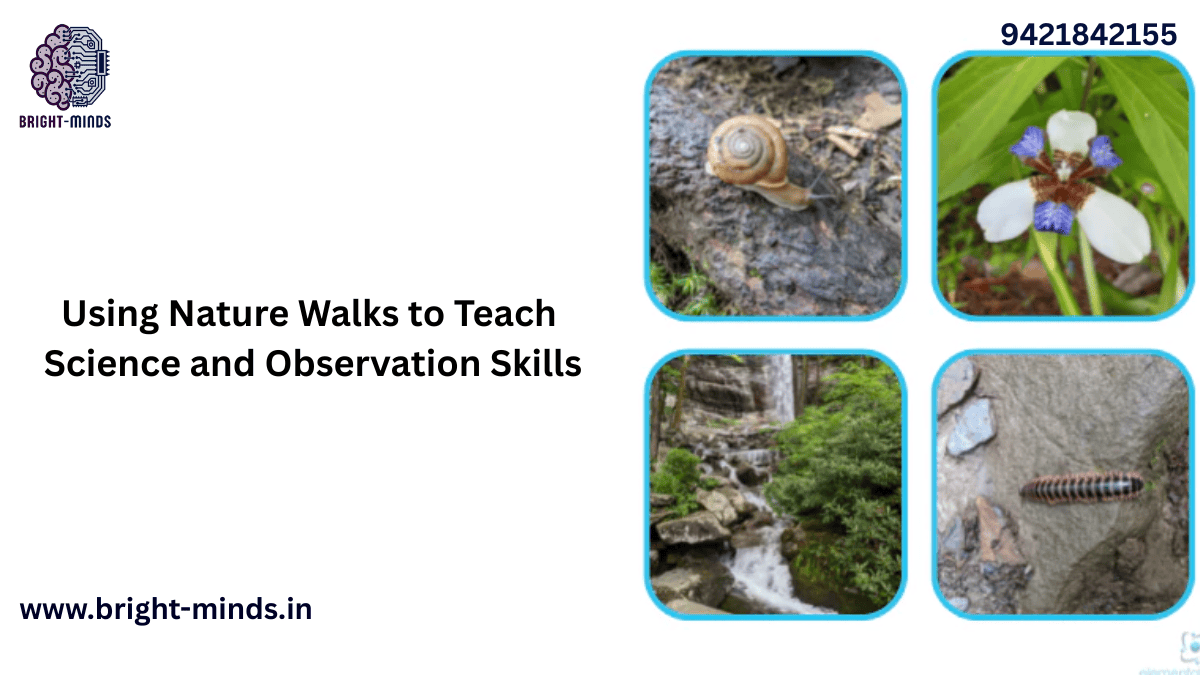
Using Nature Walks to Teach Science and Observation Skills
Introduction
Modern childhood often unfolds indoors surrounded by screens, structured schedules, and limited opportunities for spontaneous discovery. Yet some of the most meaningful learning experiences happen outside where curiosity meets the natural world. Nature walks provide an accessible and powerful way to introduce children to science and sharpen observation skills while nurturing their sense of wonder. These simple outings transform ordinary surroundings into living classrooms where every leaf, sound, and movement becomes an opportunity for exploration.
Teaching through nature walks does not require formal scientific expertise or complex preparation. With mindful guidance, parents and educators can use everyday outdoor environments to encourage inquiry, critical thinking, and sensory awareness. When children observe insects moving through grass or notice variations in cloud shapes, they begin forming connections between observation and understanding. This process cultivates habits of questioning and investigation that serve them throughout academic life and beyond.
This article explores how nature walks can become purposeful educational experiences that strengthen scientific thinking and observation abilities. By blending practical strategies with real examples, it demonstrates how outdoor exploration nurtures curiosity, confidence, and cognitive development in meaningful and lasting ways.
The Educational Value of Nature Walks
Connecting Learning to Real Experiences
Science concepts become more memorable when children encounter them firsthand. Observing seasonal changes or exploring textures in tree bark turns abstract ideas into tangible understanding. Instead of memorizing facts from textbooks, children engage directly with living examples that reinforce comprehension and retention.
For instance, witnessing ants collaborating to transport food provides insights into behavior, cooperation, and ecosystems. These real encounters inspire questions and discussions that deepen knowledge organically.
Encouraging Active Curiosity
Curiosity drives learning. Nature walks place children in environments filled with unpredictable discoveries that spark imagination. When they encounter unfamiliar plants or patterns, they feel motivated to investigate and seek explanations.
Parents can nurture this curiosity by asking open ended questions that guide observation. Inviting children to compare leaf shapes or describe sounds they hear encourages deeper engagement and thoughtful analysis.
Enhancing Emotional and Physical Well Being
Outdoor exploration supports physical health through movement and fresh air. It also promotes emotional balance by reducing stress and stimulating positive moods. A relaxed and energized child is more receptive to learning and exploration.
Regular nature walks build resilience and appreciation for surroundings, fostering environmental awareness alongside academic growth.
Building Observation Skills Through Nature
Training Attention to Detail
Observation is a foundational scientific skill. Nature walks teach children to notice subtle differences in color, texture, and movement. Encouraging them to slow down and examine details sharpens focus and patience.
A simple activity involves comparing two stones or leaves and identifying similarities and differences. This process trains analytical thinking and descriptive communication.
Engaging All the Senses
Observation extends beyond sight. Listening to bird calls, feeling temperature changes, and smelling flowers enrich sensory perception. Multisensory engagement strengthens memory and comprehension by linking experiences to physical sensations.
Parents might guide children to close their eyes briefly and identify surrounding sounds. Such exercises build awareness and concentration while making learning immersive.
Recording Discoveries
Keeping a nature journal transforms observations into structured learning. Children can draw objects, write descriptions, or collect questions for later discussion. This practice reinforces documentation skills similar to scientific research methods.
Reviewing journal entries over time highlights patterns and progress, encouraging reflection and continuous curiosity.
Teaching Science Concepts Outdoors
Understanding Ecosystems
Nature walks reveal interconnected relationships between organisms and environments. Observing insects near plants or noticing birds searching for food introduces ecological principles naturally.
Discussing how each element contributes to balance helps children understand environmental systems and responsibilities toward preservation.
Exploring Weather and Climate
Outdoor experiences provide direct exposure to weather patterns. Observing cloud formations, wind movement, or temperature shifts introduces meteorological concepts.
Children may predict weather changes based on observations, practicing analytical reasoning and hypothesis formation.
Investigating Plant Life
Examining leaves, flowers, and growth patterns introduces botany in accessible ways. Children can compare plant sizes or observe variations in color and shape.
Activities such as identifying plant parts encourage classification skills and expand vocabulary related to scientific terminology.
Discovering Physics in Motion
Nature demonstrates physical principles through everyday phenomena. Rolling stones down slopes or watching water flow illustrates motion and gravity concepts.
Encouraging children to experiment safely with movement and forces builds foundational understanding of physics through play.
Practical Strategies for Effective Nature Walks
Preparing Without Overplanning
While structure supports learning, flexibility preserves spontaneity. Bringing basic supplies such as notebooks or magnifying glasses enhances exploration without restricting discovery.
Parents should remain open to unexpected interests that emerge during walks, allowing children to lead investigations.
Asking Thoughtful Questions
Guided questions deepen observation and reasoning. Instead of providing answers immediately, adults can prompt reflection through inquiries about patterns, changes, or causes.
Questions like asking why certain plants grow in shaded areas encourage analytical thinking and hypothesis development.
Encouraging Group Discussion
Sharing observations during or after walks promotes communication and perspective sharing. Children learn to articulate findings and listen to others’ interpretations.
Family discussions about discoveries reinforce knowledge retention and collaborative learning.
Integrating Technology Mindfully
Using digital tools to identify species or document findings adds value when balanced with direct experience. Photographs or educational applications can complement exploration without dominating attention.
Mindful integration ensures technology supports rather than replaces sensory engagement.
Real Life Examples of Nature Based Learning
Community Park Exploration
A teacher organized weekly walks through a local park where students observed changes in plant growth. Over time, children documented seasonal variations and developed stronger understanding of life cycles and environmental adaptation.
Backyard Discovery Sessions
A family turned their backyard into an observation site where children tracked insect activity. Recording patterns encouraged systematic thinking and improved patience in studying natural behavior.
Coastal Observation Activities
During a beach outing, parents guided children to examine shells and wave patterns. Discussions about erosion and tides connected leisure activities to scientific understanding, demonstrating learning opportunities in diverse environments.
Overcoming Common Challenges
Maintaining Engagement
Some children may initially lose interest. Introducing games such as scavenger hunts or themed observation tasks keeps exploration exciting and purposeful.
Adjusting activities to align with individual interests ensures sustained enthusiasm.
Addressing Safety Concerns
Preparation and awareness are essential. Setting boundaries and discussing safe interactions with surroundings protect children while allowing exploration.
Equipping them with basic knowledge about avoiding harmful plants or insects builds confidence and responsibility.
Adapting to Urban Settings
Nature walks are not limited to forests or parks. Observing urban greenery, bird activity, or weather changes offers meaningful learning experiences.
Even small environments contain valuable opportunities for scientific observation.
Long Term Impact on Learning and Development
Nature based exploration shapes attitudes toward inquiry and discovery. Children who develop observation habits early often approach academic challenges with curiosity and persistence.
These experiences also foster environmental appreciation and empathy. Understanding natural systems encourages responsible behavior and sustainable thinking.
Beyond academics, shared outdoor learning strengthens family bonds and cultivates lifelong memories rooted in exploration and growth.
Conclusion
Using nature walks to teach science and observation skills transforms simple outings into rich educational experiences that inspire curiosity and deepen understanding. By guiding children to observe carefully, ask questions, and reflect on discoveries, parents and educators cultivate habits essential for scientific thinking and lifelong learning.
With thoughtful preparation and encouragement, every outdoor environment becomes a source of knowledge and inspiration. Integrating regular nature walks into routines nurtures confident learners who appreciate the world around them and approach challenges with curiosity and insight.
Free Online Educational Games for Kids
Why Should Kids Play Online Math Games