
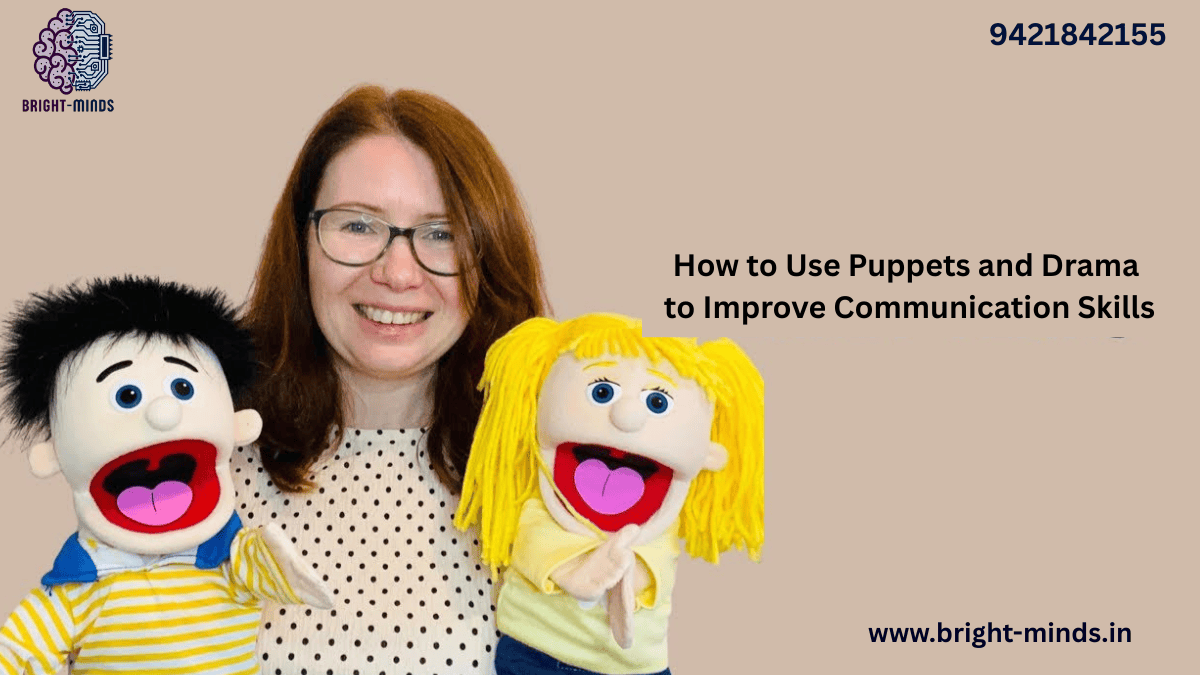
How to Use Puppets and Drama to Improve Communication Skills
Communication skills play a vital role in a child’s social, emotional, and academic development. The ability to express thoughts clearly, listen carefully, and respond appropriately helps children build strong relationships and succeed in learning environments. While many traditional methods focus on direct teaching, creative approaches such as puppets and drama activities often produce deeper and more lasting results.
Children naturally connect with storytelling, imagination, and playful expression. Puppets and dramatic play create a relaxed and engaging environment where children feel safe experimenting with language, emotions, and social interactions. Instead of feeling pressured to speak correctly or perform perfectly, children become absorbed in the story and begin communicating more freely.
When used thoughtfully by parents, teachers, and caregivers, puppets and drama can transform communication practice into an enjoyable experience. These activities encourage children to speak, listen, collaborate, and express emotions in ways that feel natural and exciting.
Why Communication Skills Are Important for Children
Communication is the foundation of human connection. Children use communication to share ideas, ask questions, solve problems, and build friendships. Strong communication abilities also support academic success because children who can express themselves clearly tend to participate more confidently in classroom discussions.
However, developing these skills can sometimes be challenging. Some children struggle with shyness, limited vocabulary, or difficulty expressing emotions. Others may find it hard to listen carefully or interpret social cues.
Creative learning techniques such as puppet play and drama activities provide opportunities for children to practice communication without fear of judgment. When children focus on telling stories or acting out characters, they often forget their hesitation and begin speaking naturally.
Over time these playful experiences help build confidence, expand vocabulary, and improve the ability to interact effectively with others.
The Power of Puppets in Communication Development
Puppets have been used for centuries as storytelling tools that capture attention and spark imagination. For children, puppets feel almost magical. They become characters with personalities, voices, and emotions.
This sense of imagination creates a powerful learning environment. Children often feel more comfortable speaking through a puppet than speaking as themselves. The puppet becomes a friendly messenger that allows them to express ideas, ask questions, and explore feelings.
Puppet play also encourages conversation. Children respond to the puppet as if it were a real character, which naturally leads to dialogue. They ask questions, answer prompts, and engage in storytelling without realizing they are practicing communication skills.
Teachers and parents can use puppets to introduce new vocabulary, discuss social situations, or encourage shy children to participate in group conversations.
How Drama Activities Encourage Expression
Drama activities provide another effective way to strengthen communication abilities. When children participate in dramatic play, they step into different roles and explore how characters think, speak, and react.
This process requires them to use language creatively and respond to others in real time. Acting out scenes encourages children to project their voices, organize their thoughts, and communicate emotions through words and gestures.
Drama activities also develop listening skills. In group performances children must pay attention to cues from other participants so that conversations flow smoothly within the story.
These experiences mirror real life communication where people must listen, respond, and cooperate to keep interactions meaningful.
Creating Simple Puppets at Home or in the Classroom
Puppet activities do not require expensive materials. Simple puppets can be created using everyday items found at home or in classrooms.
Paper bag puppets are among the easiest options. Children can decorate paper bags with markers, colored paper, and craft materials to create unique characters. Once the puppets are ready, kids can invent stories and conversations between them.
Sock puppets are another popular choice. Old socks can be transformed into expressive characters using buttons, yarn, and fabric pieces.
Creating the puppet itself becomes part of the learning process. As children design their characters they think about personality traits, voices, and story ideas. This preparation encourages creativity and storytelling even before the puppet show begins.
Puppet Conversations for Language Practice
One of the most effective ways to use puppets is through guided conversations. Parents or teachers can introduce a puppet that asks children simple questions about their day, favorite activities, or feelings.
For example a puppet might ask what the child enjoyed most at school or how they solved a problem with a friend. Because the question comes from a playful character, children often respond more openly than they would in a formal conversation.
This technique can also help children practice polite expressions such as greeting others, saying thank you, or asking for help. Repeated interactions with puppets reinforce these communication habits in a fun and memorable way.
Puppet Storytelling Activities
Storytelling with puppets encourages children to organize their thoughts and express ideas clearly. In this activity children create a short story and use their puppets to act it out.
The story might involve everyday situations such as visiting a park, helping a friend, or solving a simple problem. As children perform the story they practice speaking in complete sentences and expressing emotions through dialogue.
Group storytelling adds another layer of communication practice. Each child controls a puppet character and contributes to the unfolding story. This collaborative activity strengthens listening skills and encourages children to respond to each other’s ideas.
Drama Games That Build Confidence
Drama games offer a playful way to develop communication skills while building self confidence. One popular activity is the emotion expression game.
In this game children draw emotion cards such as happy, surprised, nervous, or excited. They then act out a short scene that expresses the chosen emotion while others guess what it is.
This activity helps children recognize and communicate feelings through both words and body language. Understanding emotions is a key part of effective communication and healthy relationships.
Another engaging drama game involves improvisation. Children receive a simple scenario such as two friends planning a trip or a teacher helping a student solve a problem. They then create a short dialogue based on that situation.
Improvisation encourages quick thinking and creative communication while helping children feel more comfortable speaking in front of others.
Role Playing Real Life Situations
Puppets and drama can also help children practice real life communication scenarios. For example children might act out meeting a new classmate, asking a teacher for help, or resolving a disagreement with a friend.
Through role play they explore different ways to respond and learn which communication strategies work best. Practicing these interactions in a playful setting prepares children for similar situations in everyday life.
Parents and teachers can gently guide the conversation by suggesting alternative responses or asking reflective questions after the scene ends.
Encouraging Shy Children to Participate
Some children hesitate to speak in group settings due to shyness or lack of confidence. Puppets can provide a comfortable bridge for these children.
When a child speaks through a puppet they often feel less self conscious because the attention shifts to the character rather than the speaker. This small change can make a significant difference in participation.
Drama activities should begin with simple tasks that gradually build confidence. Short puppet conversations or small group performances help children feel more comfortable before moving to larger presentations.
Positive feedback and encouragement are essential. Celebrating effort rather than perfection helps children feel proud of their communication attempts.
Using Puppets to Teach Listening Skills
Communication is not only about speaking. Listening carefully is equally important. Puppet activities can help children practice attentive listening.
For example one puppet might tell a short story while another puppet asks questions about the details. Children must listen closely in order to answer correctly.
Another activity involves repeating or summarizing what the puppet said. This exercise strengthens comprehension and encourages thoughtful responses.
These listening exercises help children develop patience and focus during conversations.
Integrating Puppets and Drama into Daily Learning
Puppets and drama activities can easily become part of everyday learning routines. Teachers can use puppets during story time to bring characters to life and encourage discussion.
Parents can introduce puppet conversations during bedtime storytelling or family playtime. Even short daily interactions with puppets can gradually strengthen communication skills.
Drama activities can also support other subjects such as language arts and social studies. Acting out historical events or story scenes helps children understand content while practicing expressive language.
Tips for Successful Puppet and Drama Activities
Creating a supportive environment is essential for effective learning through puppets and drama. Children should feel free to express themselves without fear of criticism.
Adults should encourage creativity and allow children to guide the direction of the story. Asking open ended questions can inspire deeper conversations and imaginative ideas.
Providing simple props such as costumes, stage areas, or story cards can make the experience more engaging. However the focus should always remain on communication rather than performance perfection.
Regular practice is also important. The more frequently children participate in puppet and drama activities, the more comfortable they become with expressing themselves.
Long Term Benefits of Creative Communication Practice
Children who regularly engage in puppet play and drama activities develop stronger communication abilities over time. They become more confident speakers, attentive listeners, and empathetic communicators.
These skills support success not only in school but also in friendships, teamwork, and future careers. Effective communication helps individuals express ideas clearly, collaborate with others, and navigate social situations with confidence.
Creative activities also nurture imagination and emotional awareness. By exploring different characters and perspectives, children gain a deeper understanding of how people think and feel.
You may also like this:-